


By Elena Vasquez, Sustainable Design Innovator
How to Drain Moda Planters Effectively in Rainy Seasons?
Rainy seasons test every planter system—especially in courtyards and patios where water can pool, soil stays saturated, and roots lose oxygen. For ModaConcrete’s handcrafted concrete planters, good drainage is not only about protecting plants; it is about protecting the planter’s performance as part of a larger outdoor composition that may include outdoor fire pits, dining zones anchored by concrete tables, architectural breeze blocks, and nearby water features.
This guide focuses on practical, proven drainage strategies that keep roots healthy and reduce waterlogging—without resorting to risky shortcuts that can trap moisture in containers.
1. Confirm Drainage Holes Are Working
The most common rainy-season failure is simple: water cannot leave the container fast enough. Before changing anything else:
- Verify the planter has drainage holes.
- Clear them of debris, roots, or compacted soil.
- Check that the hole edges are not sealed by paint, residue, or buildup.
Quick test: Water the planter slowly. If water never appears beneath the planter or takes an unusually long time to drain, you likely have blockage or the planter is sitting in a way that prevents runoff.
2. Elevate the Planter to Prevent “Flat-on-Concrete” Water Traps
If a planter sits directly on a patio slab, drainage holes can become functionally useless. Elevation is often the single best fix for rainy seasons:
- Use pot feet, risers, or a stable stand to lift the planter slightly.
- Create a small air gap beneath the base so water can exit and evaporate.
- Avoid setting planters in low spots where runoff collects.
This is especially important in modern outdoor layouts where planters are grouped near seating or fire features. A clean elevation strategy keeps the area tidy and reduces algae or staining beneath the planter.
3. Use Drainage Fabric or Screening, Not a Gravel-Only “False Bottom”
A common myth is that adding gravel alone at the bottom automatically improves drainage. In many containers, a gravel-only layer can create a “water shelf” where moisture sits above the stone layer rather than draining through efficiently.
Instead, use:
- Mesh or drainage fabric over the hole to prevent soil loss while keeping water flow clear.
- A thin, coarse layer only if it is part of a deliberate system (and not replacing proper soil structure).
The goal is consistent, unobstructed water exit—not a heavy reservoir at the bottom of the planter.
4. Choose a Rain-Resilient Soil Mix
Soil is where rainy-season drainage is won or lost. A heavy or compacted mix holds water too long, depriving roots of oxygen.
For rain-heavy months, prioritize mixes that are:
- Well-aerated (light, porous, and resistant to compaction)
- Fast-draining while still retaining enough moisture for plant health
- Appropriate to your plant selection (succulents and Mediterranean plants need very different mixes than ferns)
Actionable tip: If you cannot change the full mix, top-dressing with a lighter amendment and gently aerating the upper layers can reduce crusting and improve water movement during the wettest weeks.
5. Consider a Wick Drain for Persistent Waterlogging
If a planter repeatedly saturates during storms, a wick can help move water out of the root zone:
- Use a synthetic rope or similar material routed through the drainage hole.
- Allow it to hang slightly below the planter base.
- The wick can help draw excess water out, especially when the planter is elevated and air can circulate beneath it.
This approach is useful for large planters in fixed positions where replanting is difficult.
6. Place Planters Strategically in the Landscape
Drainage is also a placement problem. In rainy seasons:
- Avoid gutters, roof edges, or downspout splash zones unless the planter is designed to handle that extra volume.
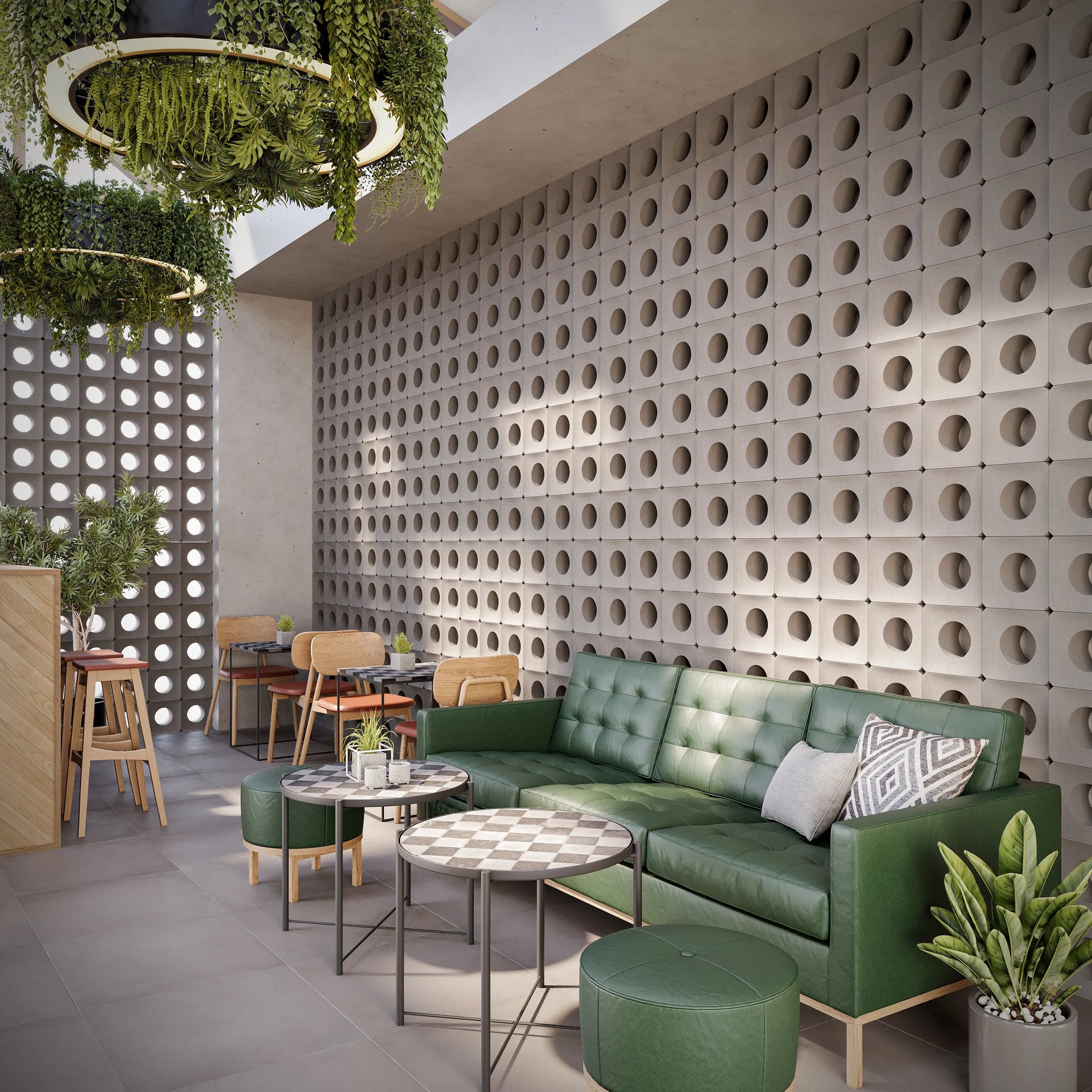
- Use breeze blocks or architectural screening to shape airflow so planters dry more consistently.
- Keep planters away from areas where water pools near hardscape joints.
If your outdoor space includes a water feature, keep planters far enough away to avoid constant misting or overspray, which can keep soil perpetually wet.
7. Rainy-Season Monitoring and Maintenance
When rain is frequent, small maintenance habits make a big difference:
- Remove fallen leaves from soil surfaces to prevent mats that block airflow.
- Check drainage holes after storms.
- Look for early signs of overwatering: yellowing leaves, soft stems, slow growth, or persistent algae on soil.
- Adjust irrigation schedules; in rainy seasons many systems do not need supplemental watering at all.
Expert Insights
FLAG: Requires human research for real, verifiable expert quote on draining planters in rainy seasons credentials.
Customer Testimonials
FLAG: Requires human research for real customer testimonials on ModaConcrete concrete planters, as no verifiable reviews were found on major platforms like Trustpilot, BBB, Yelp, or Reddit.
FAQs
Why is drainage crucial for concrete planters in rainy seasons?
Because prolonged saturation reduces oxygen in the root zone. Even durable planters cannot keep plants healthy if soil stays waterlogged for extended periods.
Should I add gravel at the bottom of my planter?
Not as a blanket rule. A gravel-only bottom layer can sometimes trap water above it. Prioritize clear drainage holes, elevation, and well-aerated soil instead.
What soil mix works best during heavy rain?
A well-aerated, fast-draining mix that resists compaction. The best mix depends on plant type and climate, but the goal is consistent oxygen in the root zone.
How does elevation help drainage?
Elevation creates an air gap under the planter so water can exit freely and the base can dry. Without it, drainage holes may be blocked against hardscape surfaces.
Can ModaConcrete planters integrate with other products for better performance?
Yes. Pair planters with airflow-supporting elements like breeze blocks and coordinate placement near fire features or seating zones so the overall outdoor system stays functional and clean through wet seasons.
Conclusion: Drain Well, Grow Well
Rainy seasons do not have to mean root rot, algae, or struggling plants. With clear drainage paths, proper elevation, rain-appropriate soil structure, and simple monitoring, ModaConcrete planters can remain beautiful and functional even through long wet stretches.
To explore sizes and styles for your landscape plan, visit the Planters collection.
Author Bio
Elena Vasquez is an award-winning architect and sustainable design consultant who specializes in outdoor material systems that balance aesthetics with long-term performance.