


UV Fading Isn’t “Patina.” It’s a Spec Failure in Precast Concrete.
Here’s where outdoor concrete projects quietly go wrong: the geometry holds, the install looks perfect, and then the color drifts. Not because “concrete fades,” but because the finish system wasn’t designed to manage UV, heat cycling, and moisture at the surface—the exact zone clients judge.
The actual mechanism: why UV makes concrete look “cheap” before it fails structurally
UV radiation doesn’t meaningfully “weaken” concrete the way it degrades plastics. It attacks what you’ve added to make concrete look intentional: pigments, sealers, acrylic modifiers, and any polymer-based topcoat. That’s why a screen wall can stay perfectly plumb while the color looks tired.
The failure pattern is consistent. Sunlight + oxygen triggers photo-oxidation in exposed binders and coatings, which shows up as chalking (a fine powdery residue), gloss loss, and uneven fade across elevations. South- and west-facing surfaces take the hit first. Miss this, and the client blames the product—not the spec.
What most “quick-seal” approaches get wrong is treating UV as a one-time event. UV is a daily load case. And it compounds.
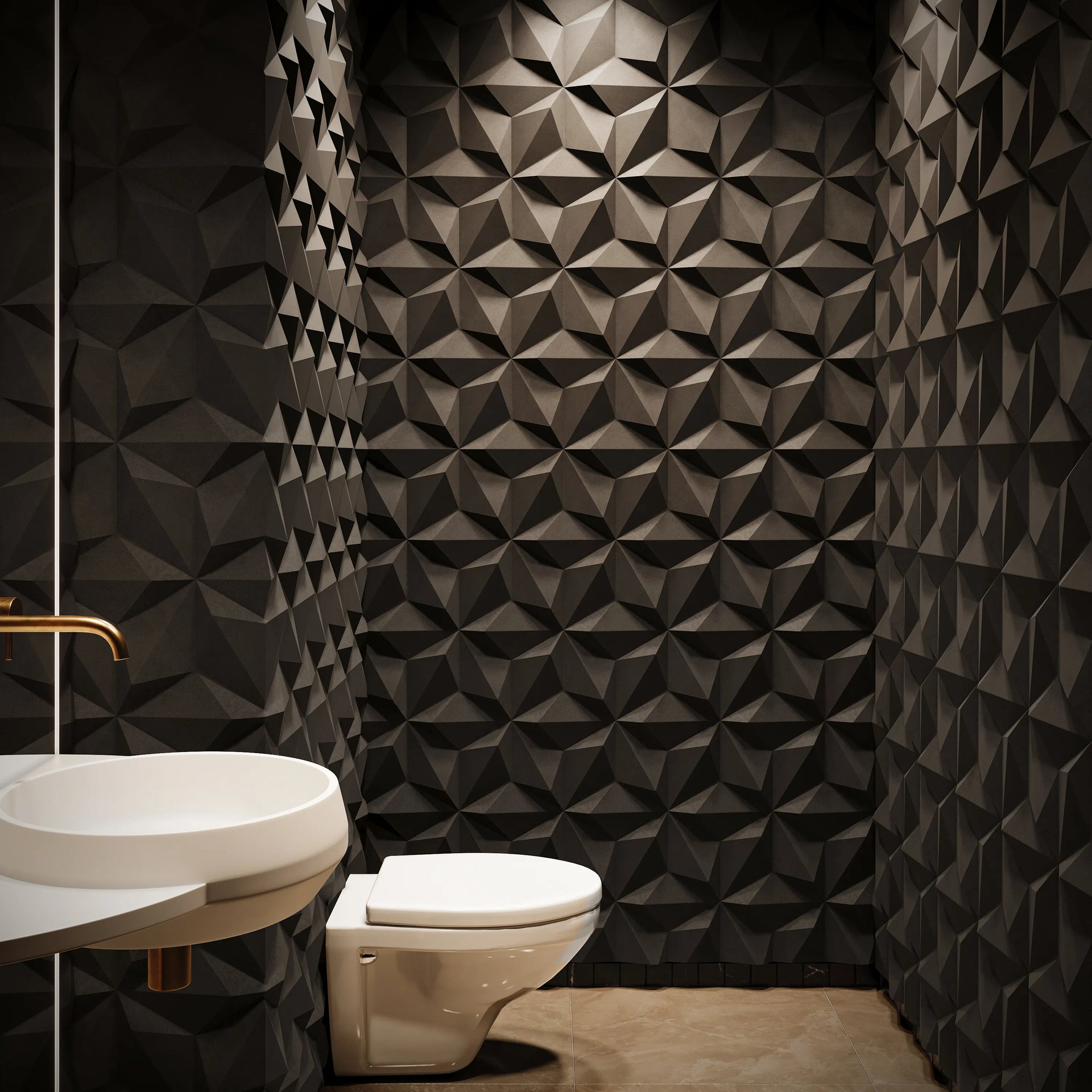
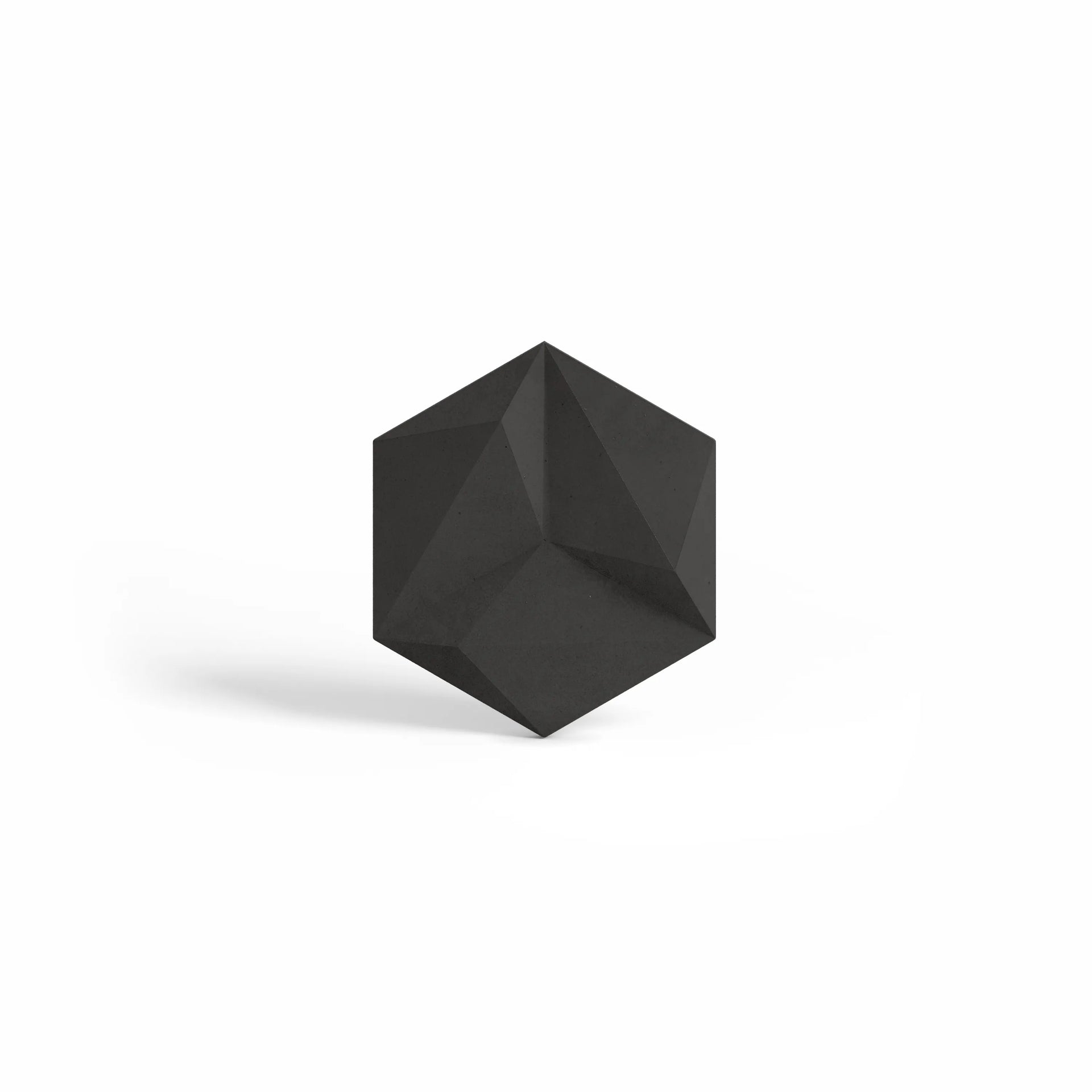
For exterior architectural elements—like a sculptural wall using ORION Concrete Wall Tile—the visual read is the product. When the finish shifts, the design intent collapses even if the substrate is fine.
Reference: the National Park Service Preservation Brief 15 documents how surface deterioration and weathering mechanisms (including coating-related issues) drive early “replacement thinking” long before structural necessity.
Why most sealers fail in the field (and why that failure is predictable)
The common promise is simple: “We’ll lock it down.” The reality is physics. Exterior concrete moves—daily and seasonally—through thermal expansion, moisture cycling, and salt air in coastal markets. A brittle film cracks. A non-breathable film traps moisture. A trapped-moisture system turns into whitening, peeling, or blotchy darkening.
That’s not a feature—that’s the problem.
Two mechanisms drive most call-backs:
- Film fracture: the coating can’t elongate with the substrate, so micro-cracks telegraph through and collect dirt, accelerating visual degradation.
- Vapor pressure + moisture entrapment: a low-permeability film blocks drying, leading to haze, delamination, or efflorescence patterns that look like “stains.”
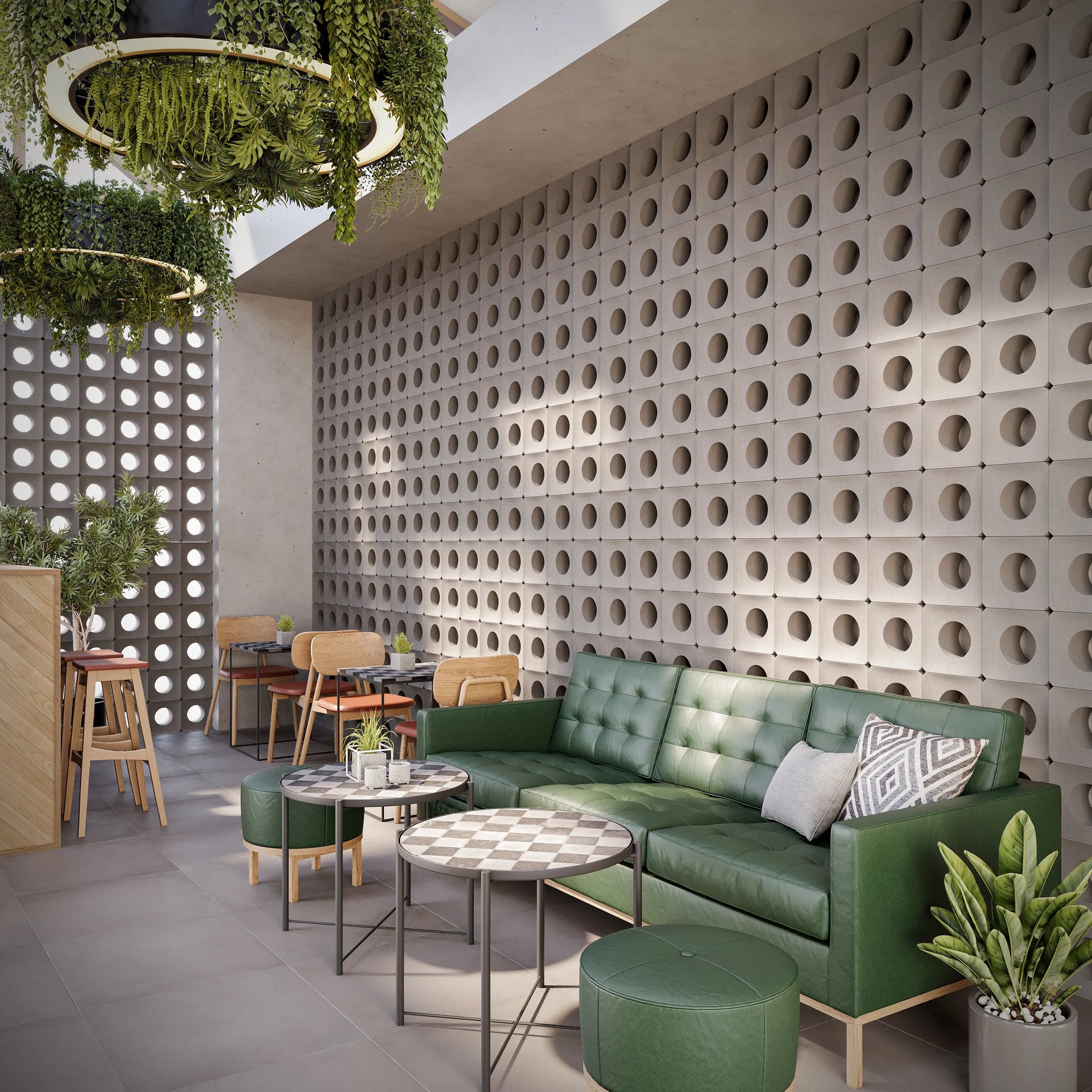
If you’re specifying a concrete breeze block wall for a sun-exposed courtyard, this is why the wall looks uneven by the second summer. It’s not the block. It’s the finish system.
External reference: the American Concrete Institute (ACI) Guide to Concrete Repair and related ACI resources consistently emphasize that surface treatments must be compatible with moisture movement and exposure conditions. Compatibility is the job.
This isn’t an SEO problem. It’s a finish-architecture problem.
Architects and builders tend to treat coatings as a procurement line item. That’s why projects lose. A coating is part of the assembly—just like drainage, flashing, and jointing. When you treat it as “aftercare,” you create visibility debt in the real world: photos age poorly, referrals slow down, and competitors get the next spec.
Ranking without citation is revenue leakage. The same logic applies offline: a beautiful install without finish durability is marketing that self-destructs.
Here’s the destabilizing reality: a “high-end” sealer choice can actively harm a project if it’s incompatible with the substrate and exposure. The better it looks on day one, the more brutal the falloff when it hazes, peels, or spot-fades. That’s where trust erodes fastest.
What actually extends aesthetic life: density, consistency, and a coordinated system
UV resistance starts before any coating touches the surface. It starts with what the concrete is and how consistently it’s made.
ModaConcrete is factory-direct, which means the mix, curing, and finishing are controlled instead of being “interpreted” by multiple middle layers. That consistency is what keeps color and texture stable across batches and across product categories.
Two manufacturing choices matter most for modern architectural precast:
- Hyperpressed screen blocks: Hyperpress technology produces extreme density and precision in breeze blocks compared to traditional cast methods. Dense material reduces surface porosity and helps finishes behave more predictably—especially on patterned units like KUBE Breeze Block.
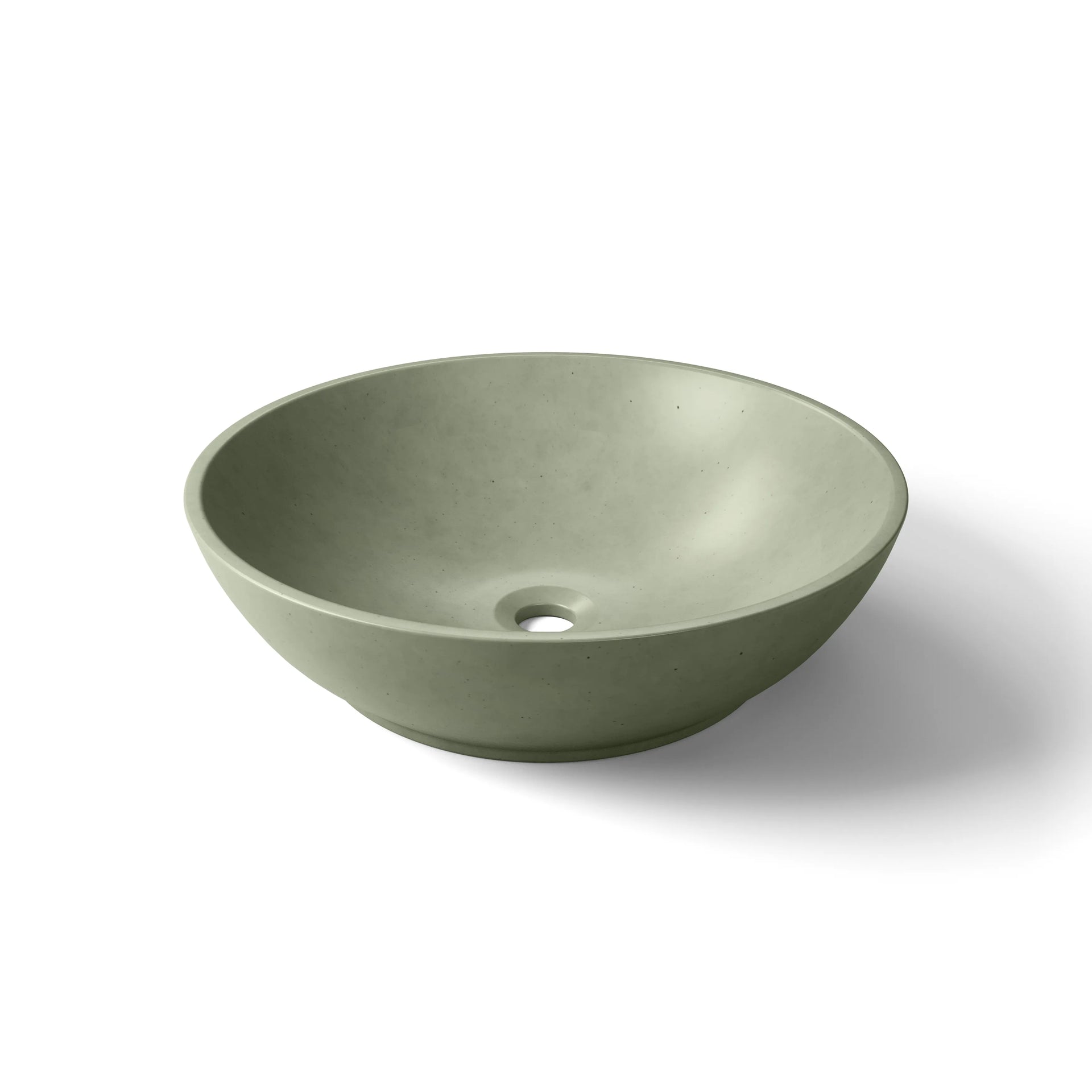
- Lightweight GFRC for planters and sinks: GFRC delivers the look of concrete at a fraction of the weight, which changes logistics and installation risk. A heavy planter that chips a corner during a lift becomes a “finish problem” instantly. GFRC reduces that exposure on pieces like the Oceanside Outdoor Shallow Planter and the Basin Concrete Sink.
Then comes the part most teams under-spec: color coordination across elements. ModaConcrete’s coordinated color system is how a breeze block screen, a set of planters, and a water feature read as one design language instead of three different “grays.” That’s how modern projects keep their intent.
For additional context on designing with breeze blocks as an exterior screen (where UV and heat cycling are unavoidable), see: Utilizing a Concrete Breeze Block Wall for Stylish Spaces.
A real-world scenario: the coastal courtyard that turned into a rework budget
A landscape contractor in coastal Florida builds a mid-century courtyard: breeze block screen, shallow GFRC planters, and a fountain focal point. The materials are solid, but the finish spec is generic—an off-the-shelf topical sealer chosen for initial sheen.
By the second summer, the south-facing screen looks patchy, the sheen turns uneven, and the owner starts asking for “touch-ups.” The contractor eats labor, the designer loses confidence, and the next phase goes to a competitor. That’s lost pipeline created by a surface decision.
The fix isn’t stripping and resealing every year. The fix is specifying exterior exposure correctly from day one: dense, consistent precast + a compatible UV-rated treatment plan + maintenance expectations that match the site.
Where ModaConcrete fits: durable modern precast, specified like an assembly
ModaConcrete doesn’t sell “concrete stuff.” We manufacture architectural precast concrete products designed to stay coherent across a project—screen walls, planters, tiles, sinks, and water features—without the typical color drift and supply-chain inconsistency.
If you’re building an outdoor room that needs to look intentional for years, start with elements engineered for that reality:
- Breeze Blocks & Wall Systems for ventilation, privacy, and iconic mid-century geometry
- GFRC Planters for lightweight durability and coordinated finishes
- Concrete Fountains for low-maintenance water features that hold their design presence
For sustainability-minded specs, align finish durability with replacement cycles. Fewer replacements is the most honest sustainability win. External reference: the U.S. Green Building Council (LEED) framework explicitly rewards durability and lifecycle thinking through material impact categories and reuse-oriented decisions.
FAQ: UV exposure, sealers, and modern precast concrete
Does UV exposure damage concrete itself or the finish?
What’s the most common sealer mistake on exterior precast?
Which ModaConcrete products are typically specified for high-UV outdoor zones?
Where should a UV strategy be decided—design, procurement, or after install?
How to decide: the spec questions that prevent fade-driven rework
- What’s the exposure? South/west sun, coastal salt air, pool chemicals, irrigation overspray—each changes finish selection.
- What’s the substrate? Hyperpressed breeze blocks behave differently than site-poured walls; GFRC behaves differently than traditional cast concrete.
- What’s the real success metric? Not “sealed,” but “still photographs well in year three.”
If you’re choosing between “whatever sealer the installer likes” and a designed finish strategy, this is the difference that matters: one preserves design intent; the other creates a maintenance story you’ll keep paying for.
Decisive next step
See the structural patterns that make modern precast hold its look: request a trade consult through ModaConcrete B2B Onboarding or contact our team directly at Get in Touch to align your breeze blocks, GFRC planters, and exterior finishes before the spec locks.
About the Author
Dante Moretti is an architectural materials specialist focused on modern precast concrete—hyperpressed breeze blocks, lightweight GFRC elements, and coordinated finish systems for residential and commercial projects. He works with the ModaConcrete team to help architects, builders, and design-forward homeowners specify products that stay visually coherent under real exterior exposure.
Learn more about ModaConcrete’s manufacturing approach and design philosophy: About ModaConcrete. Review coverage and care expectations here: ModaConcrete Warranty.