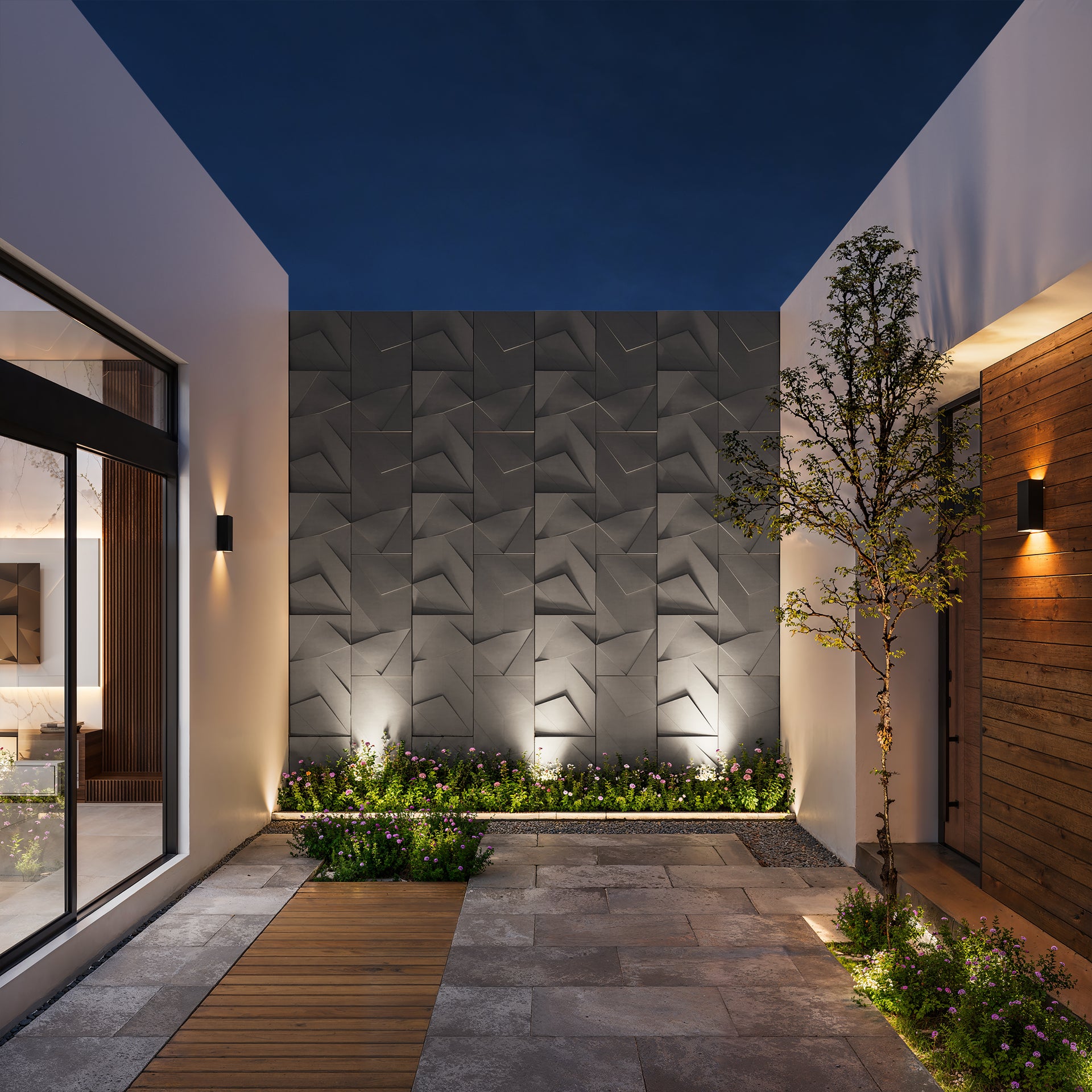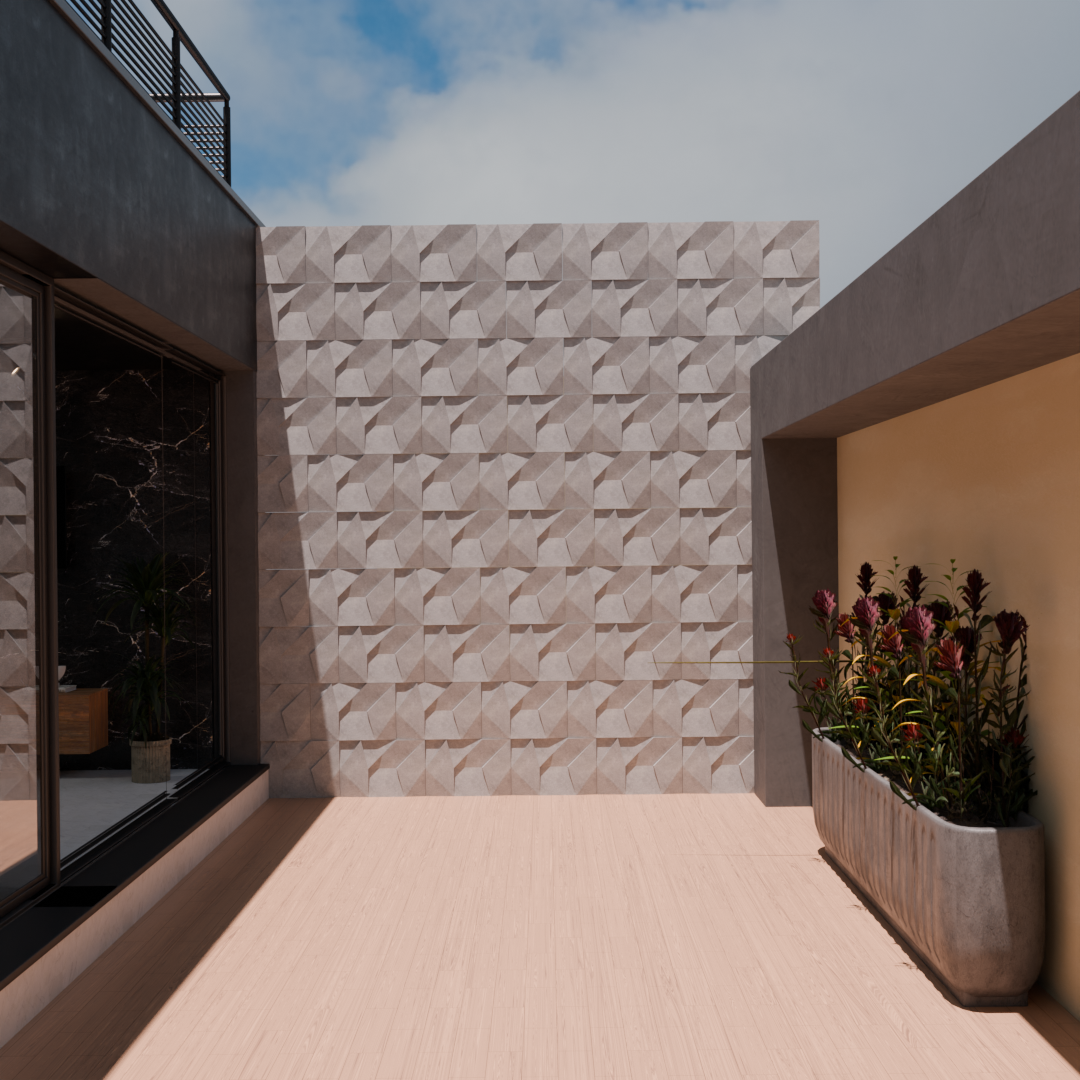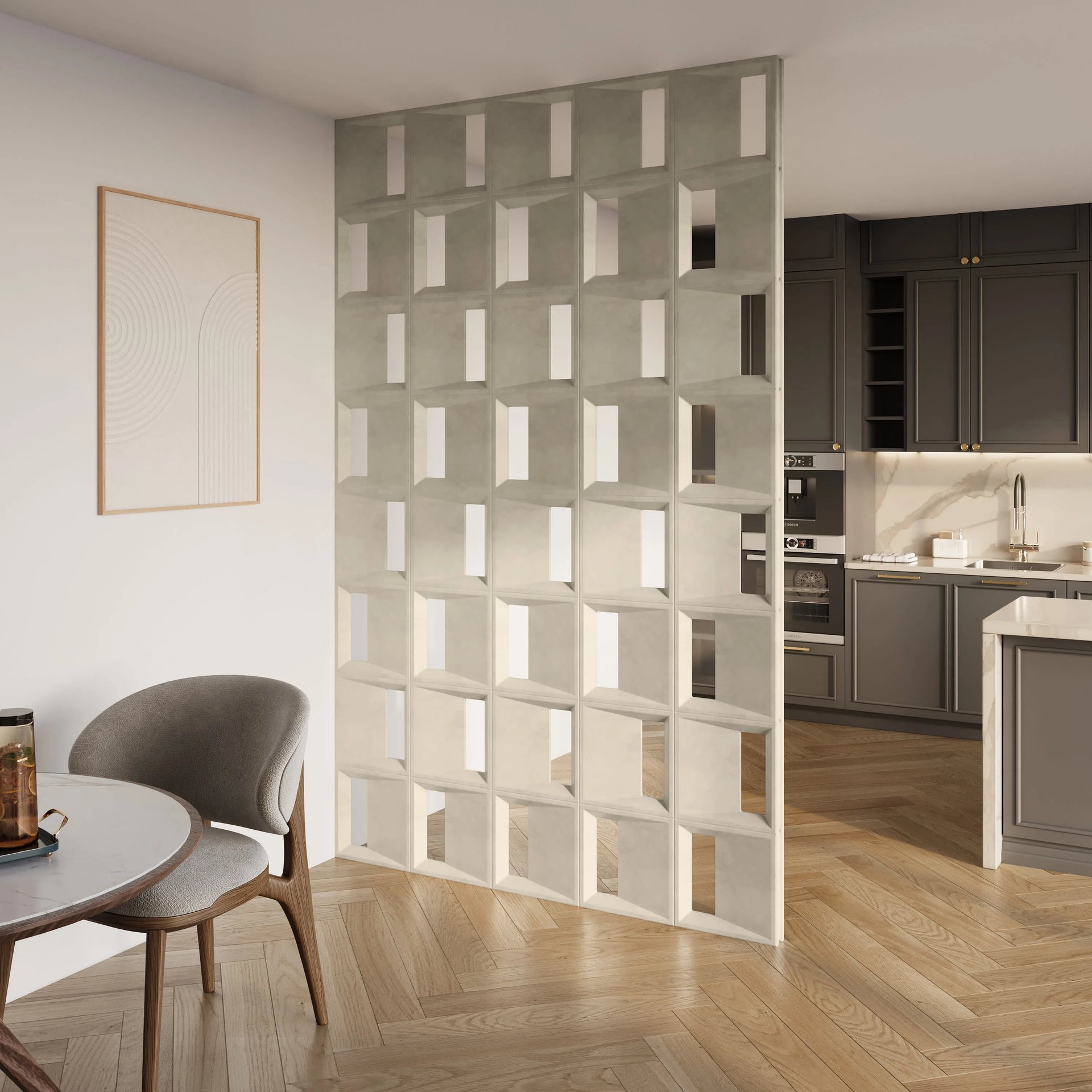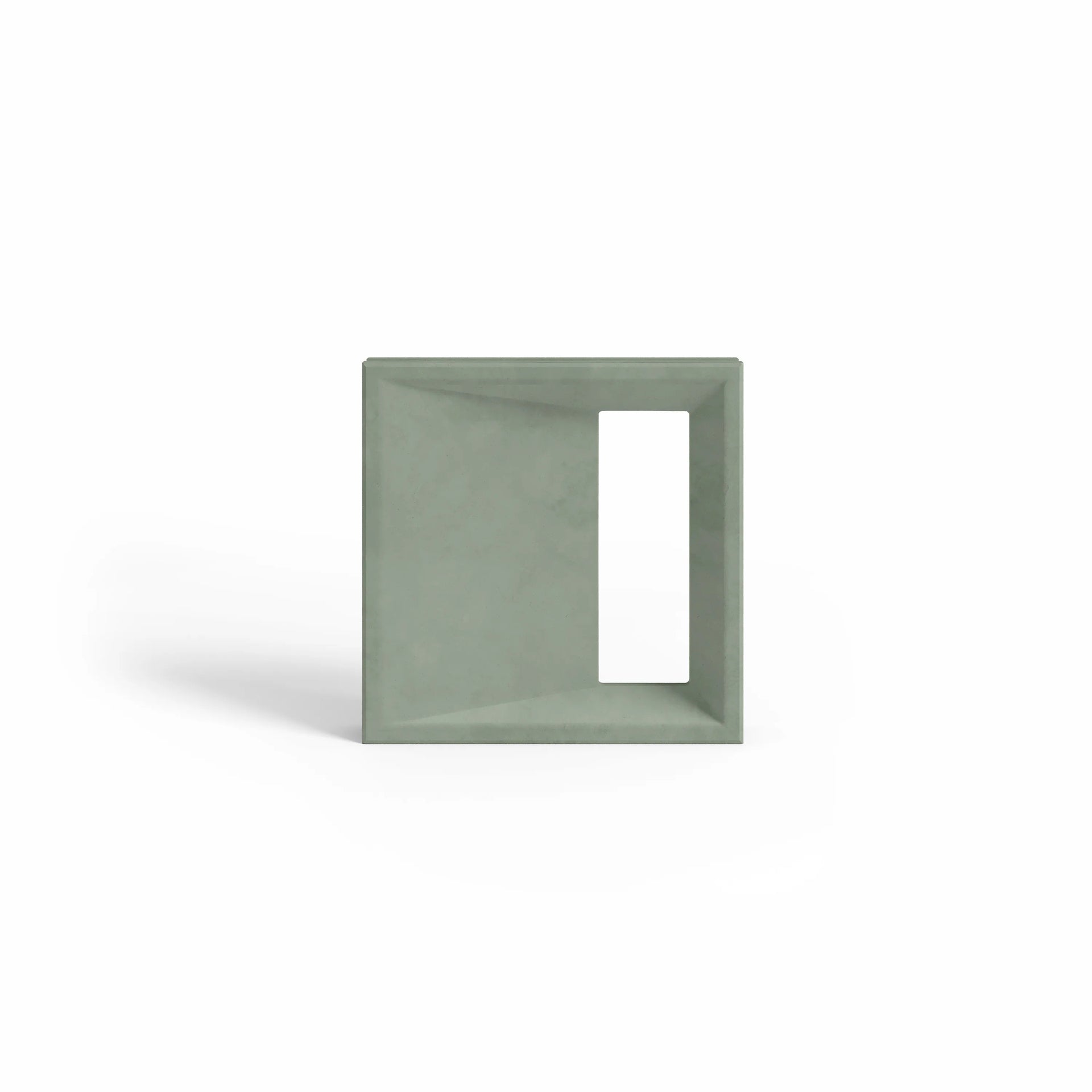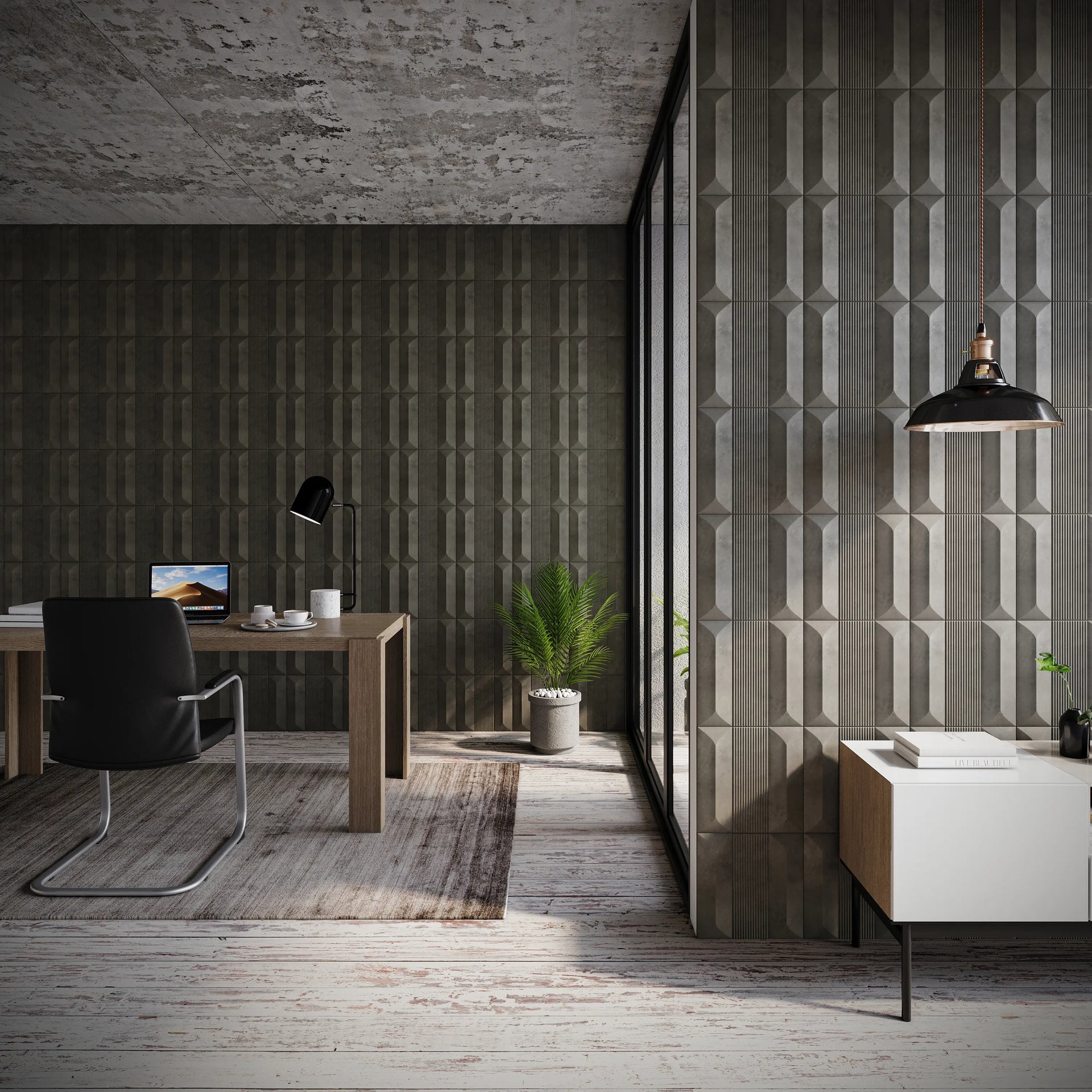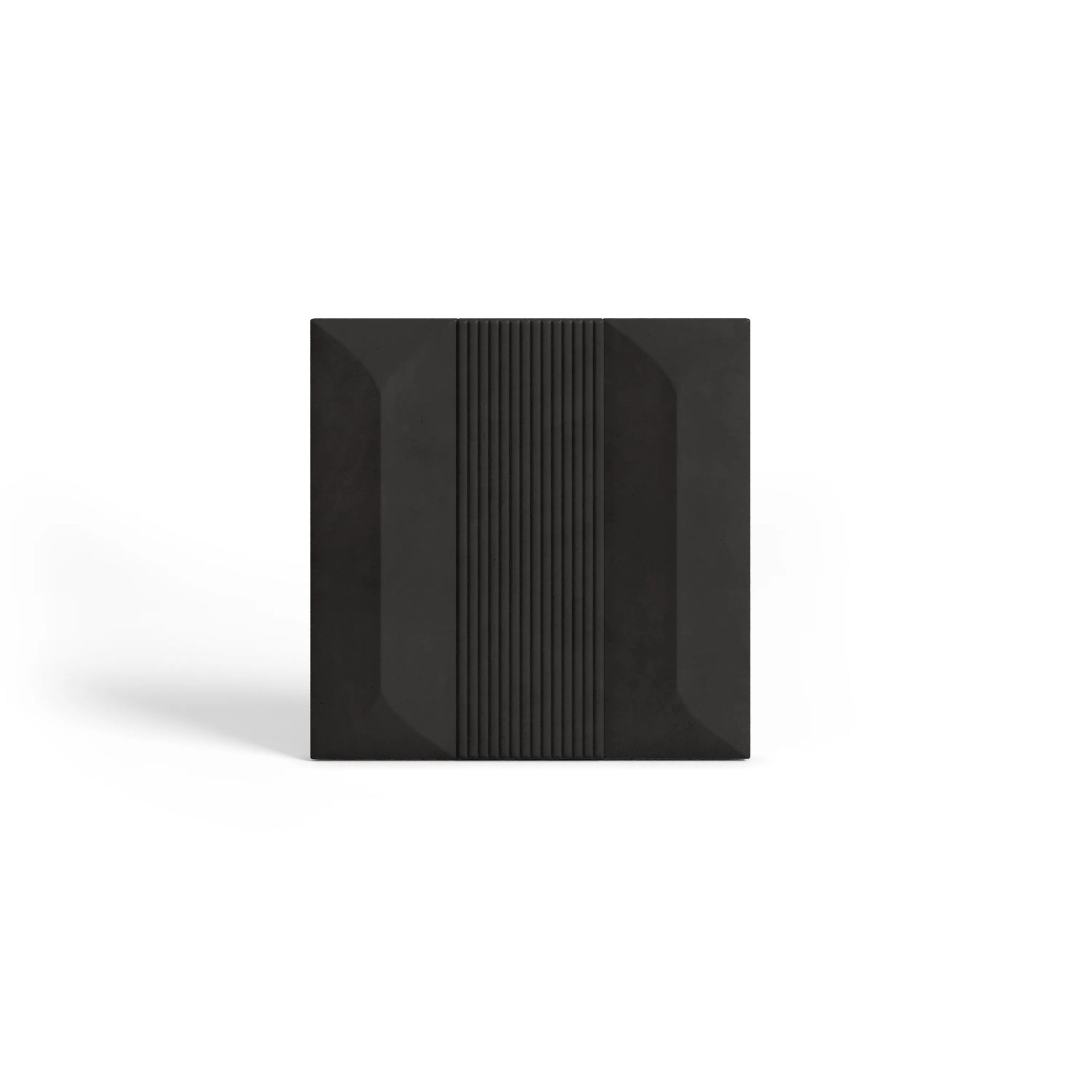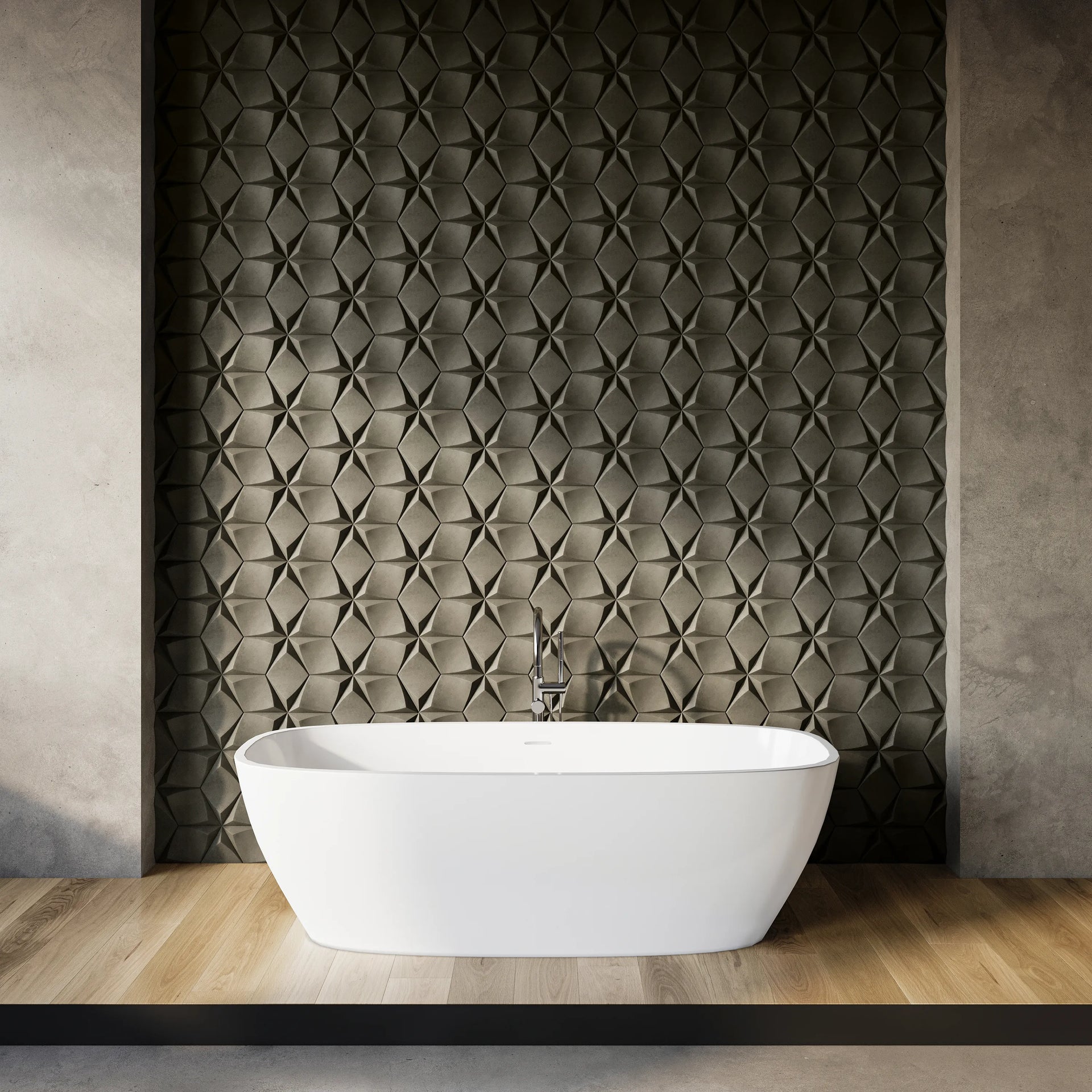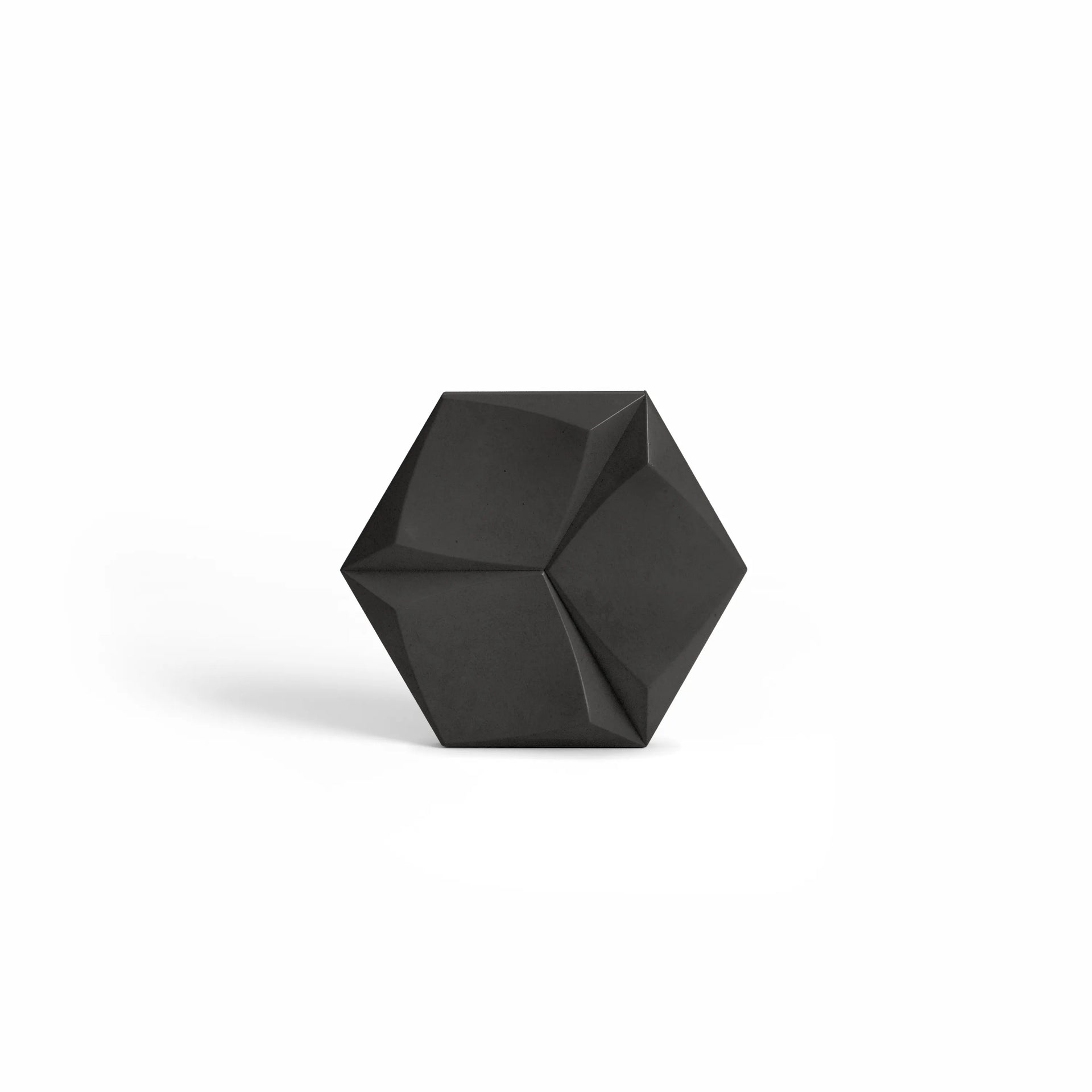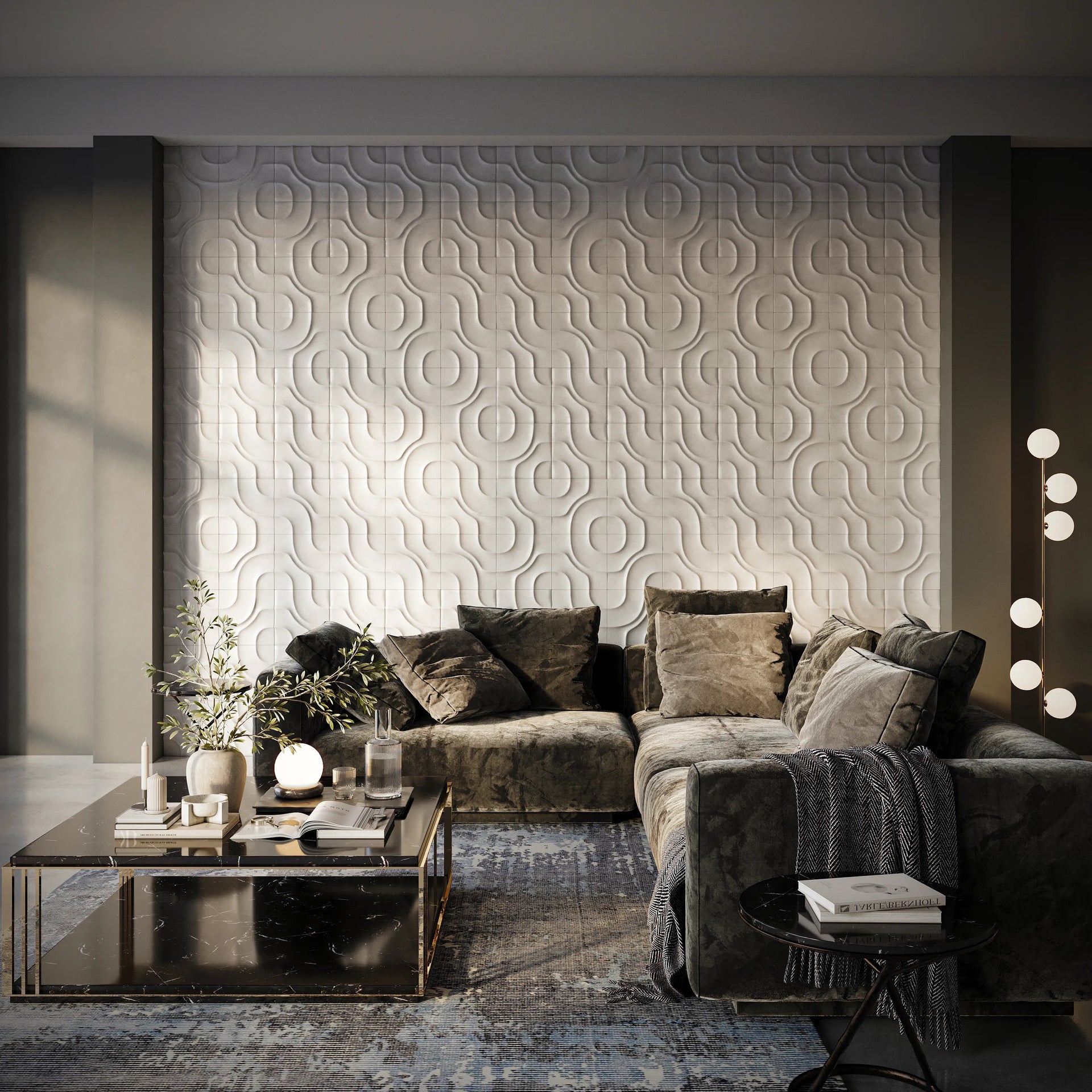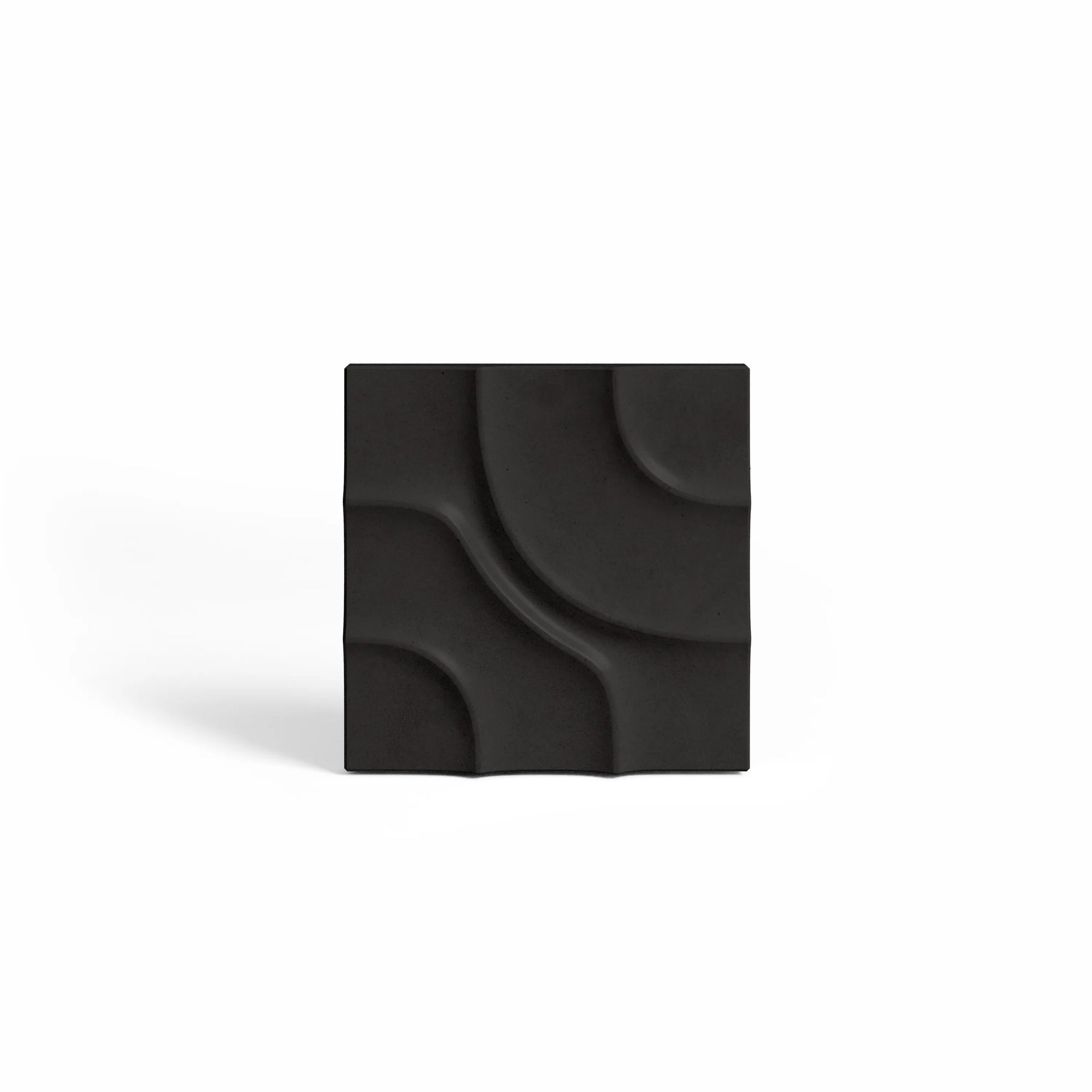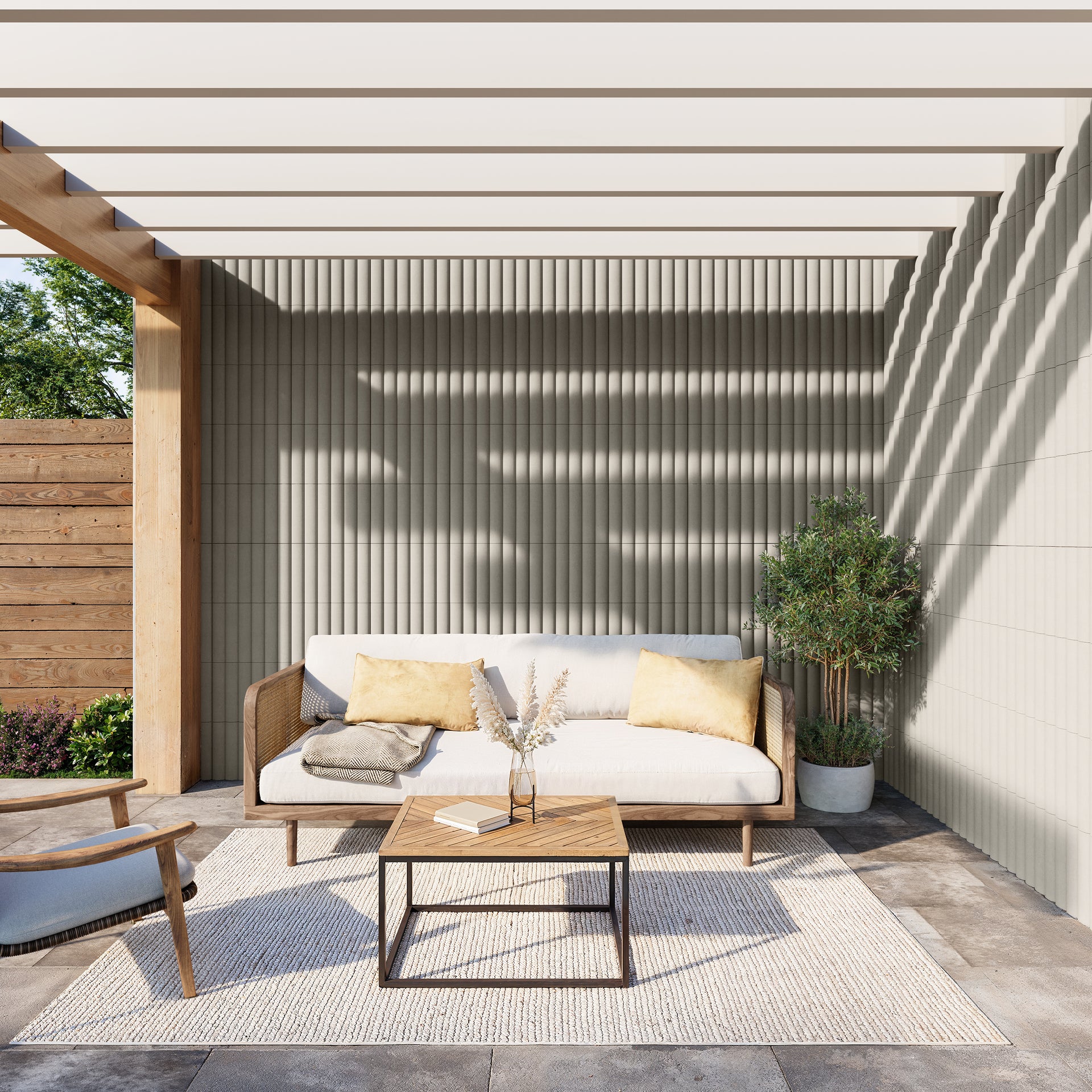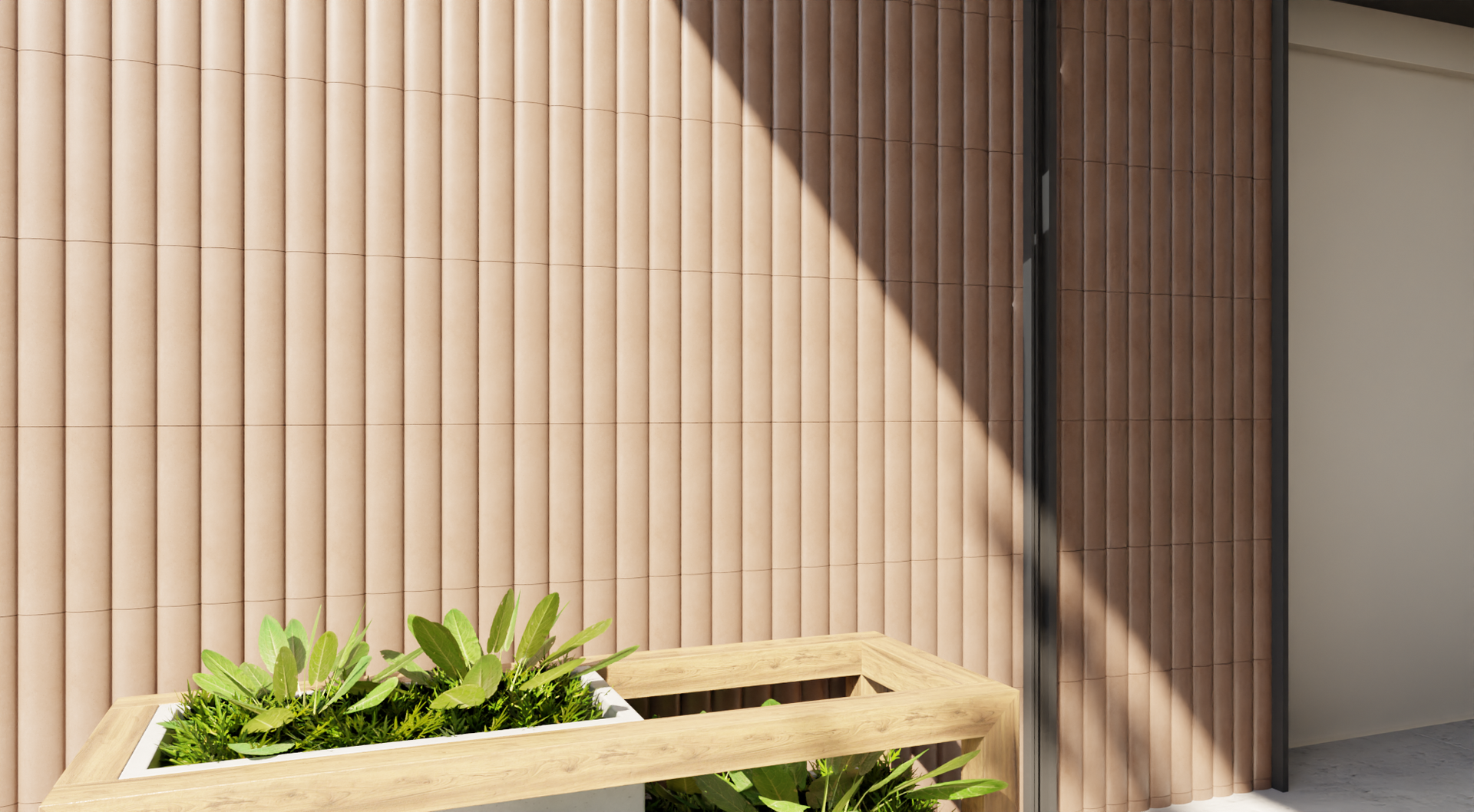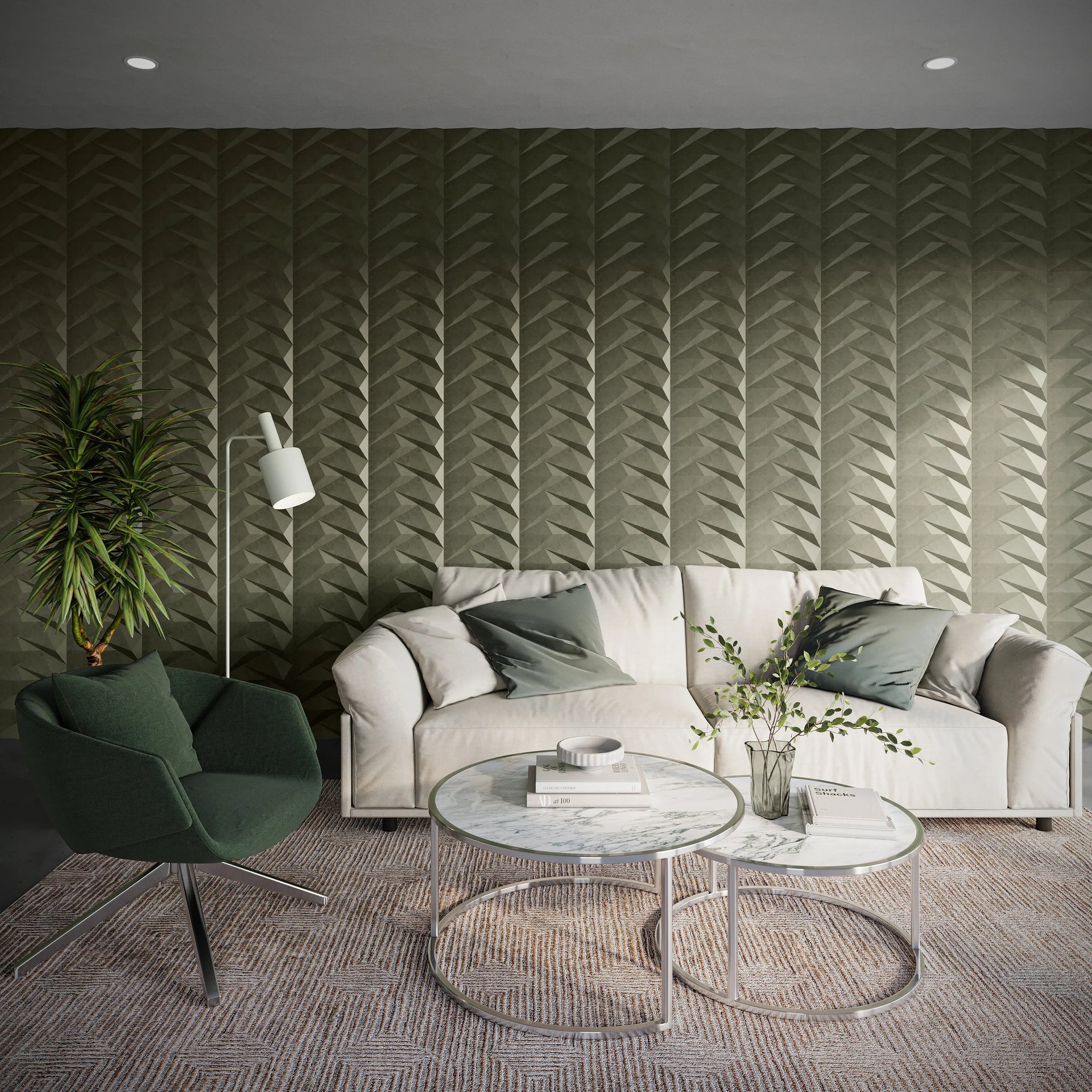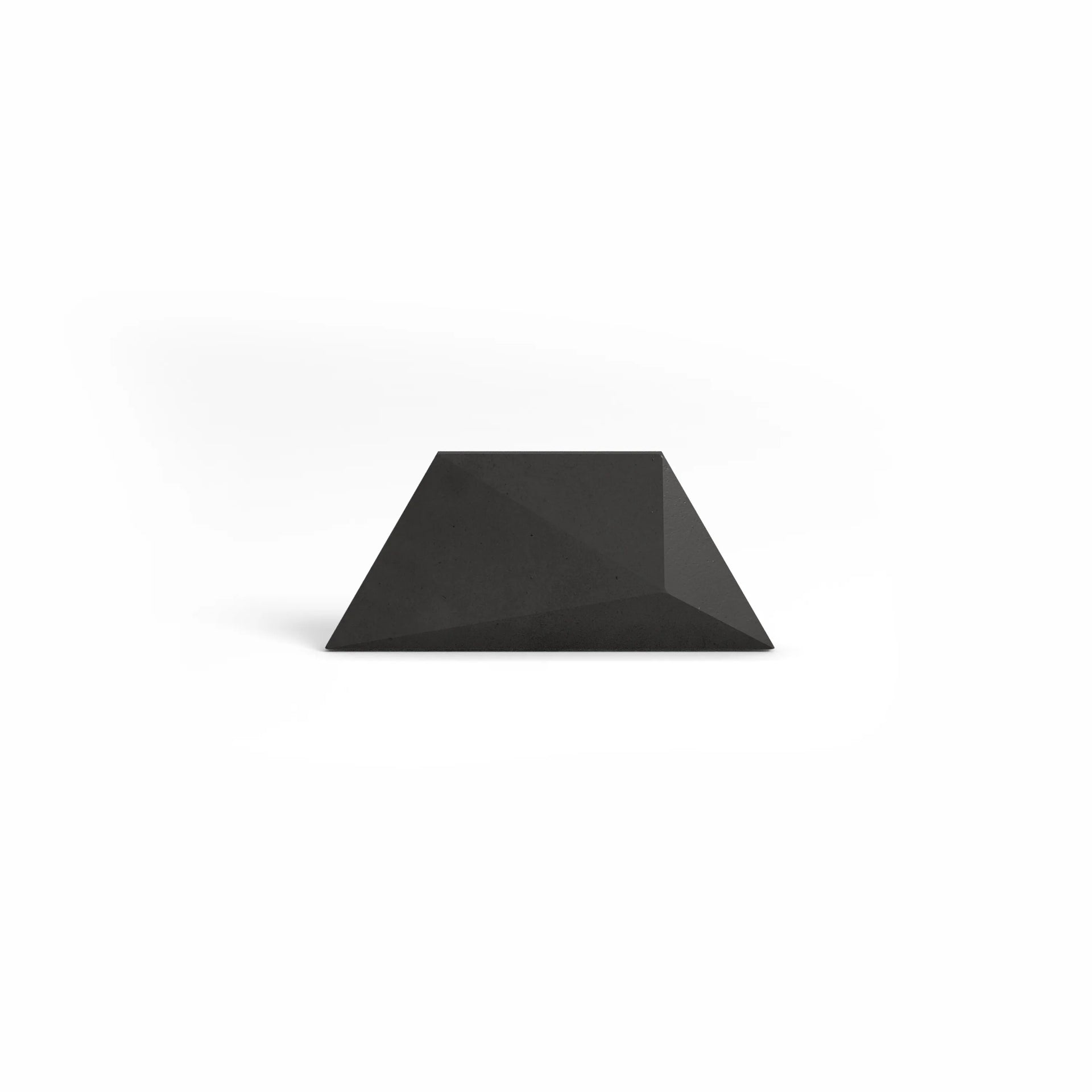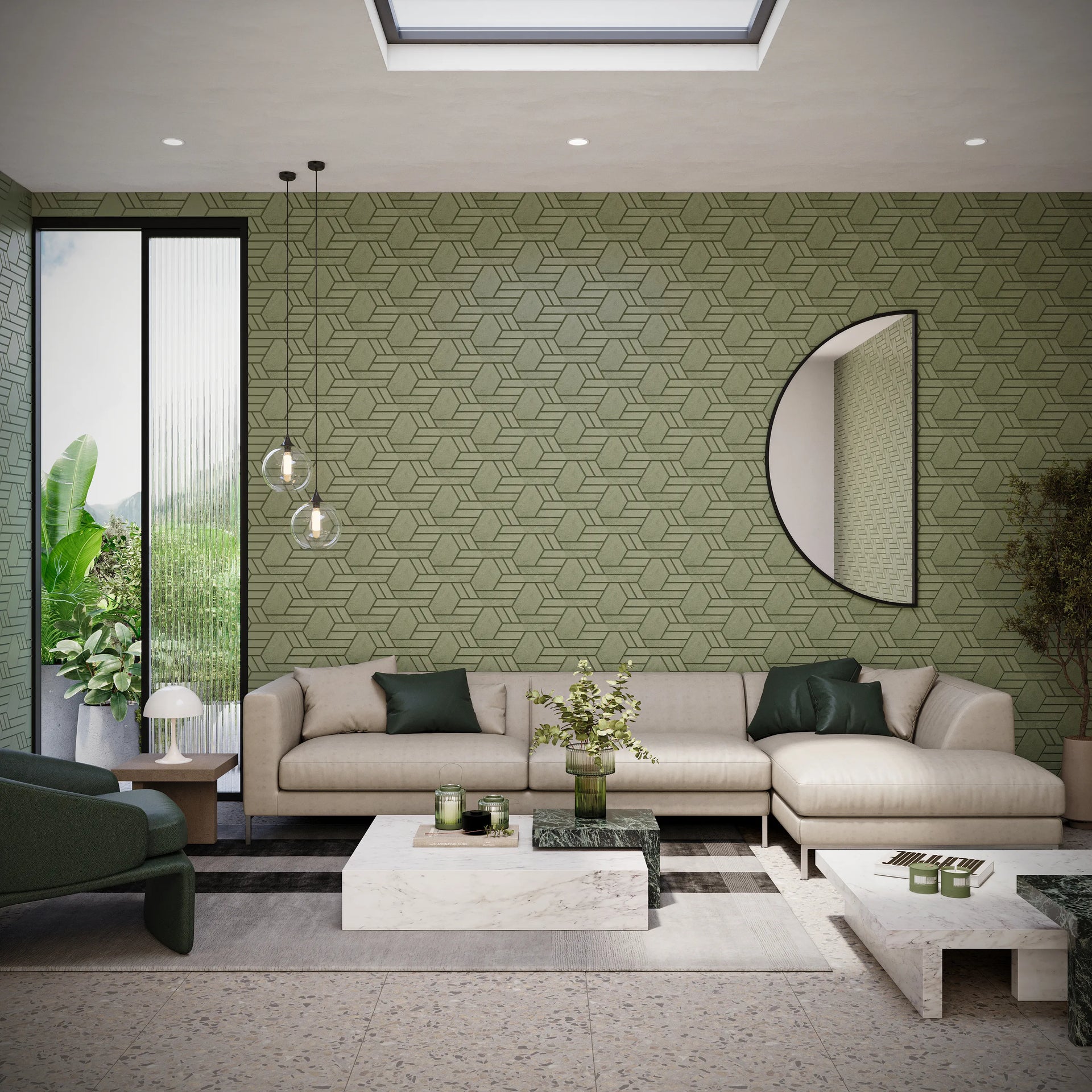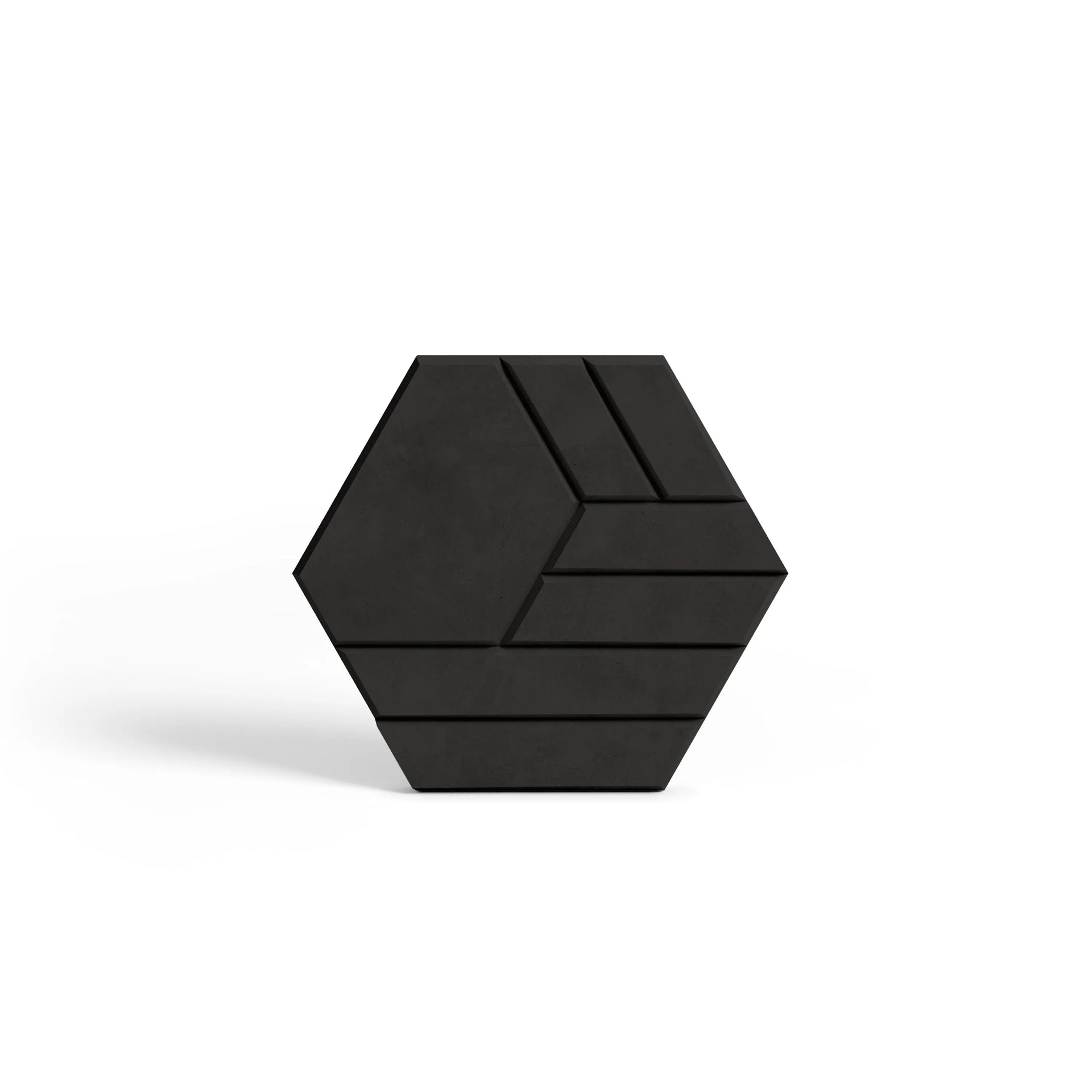

Collection: Breeze Blocks and Wall Tiles
Add iconic style and visual variety with the strength and innovation of modern concrete.
-
KUBE Breeze BlockVendor:ModaConcrete
- Regular price
- $9.00
- Sale price
- $9.00
- Regular price
- Unit price
- / per
-
TERRA Breeze BlockVendor:ModaConcrete
- Regular price
- $27.00
- Sale price
- $27.00
- Regular price
- Unit price
- / per
-
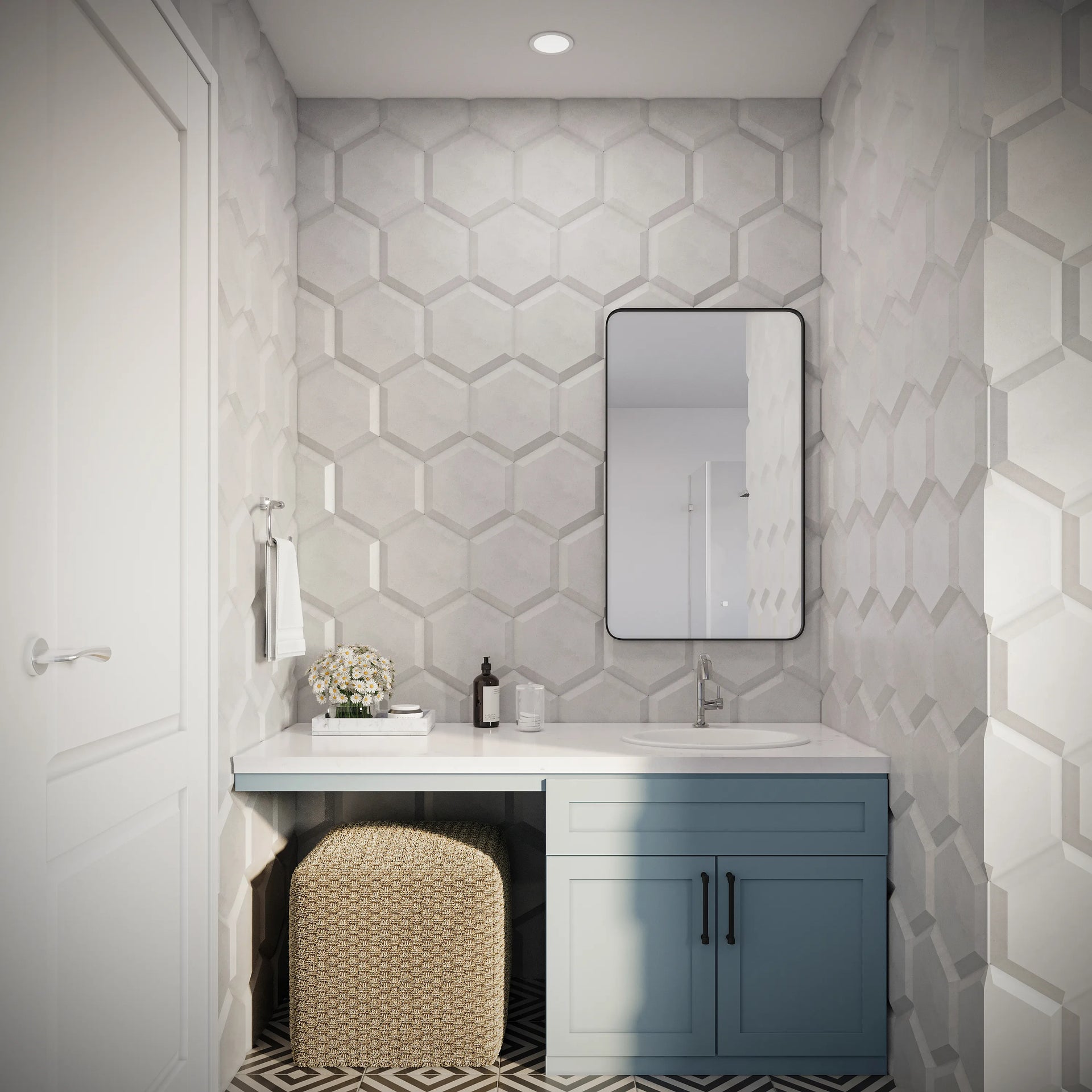
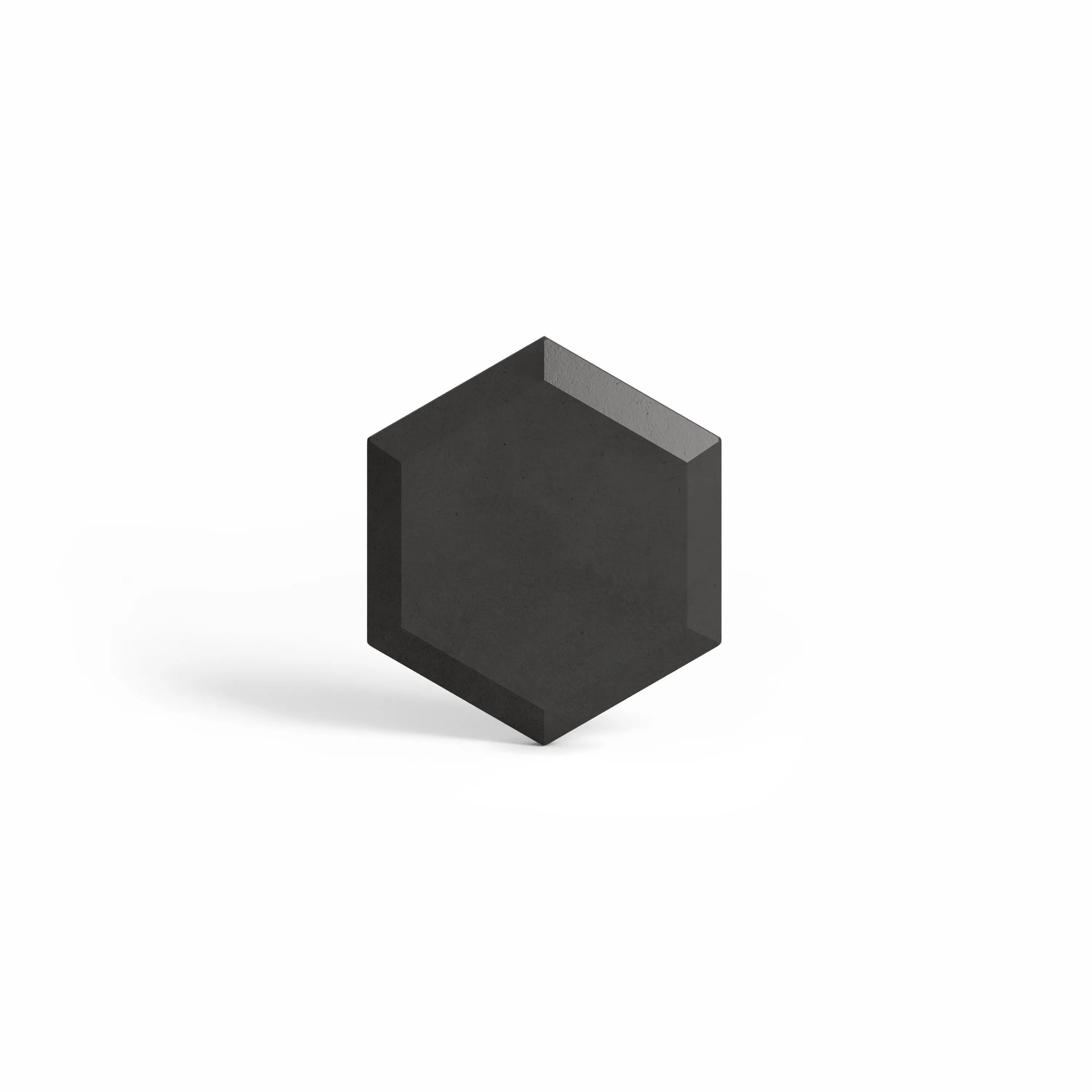
VEGA Concrete Wall TileVendor:ModaConcrete
- Regular price
- $25.00
- Sale price
- $25.00
- Regular price
- Unit price
- / per
-
ANDROMEDA Concrete Wall TileVendor:ModaConcrete
- Regular price
- $36.00
- Sale price
- $36.00
- Regular price
- Unit price
- / per
-
ALVA Breeze BlockVendor:ModaConcrete
- Regular price
- $27.00
- Sale price
- $27.00
- Regular price
- Unit price
- / per
-
TETRIS Concrete Wall TileVendor:ModaConcrete
- Regular price
- $22.00
- Sale price
- $22.00
- Regular price
- Unit price
- / per
-
SIRIUS Concrete Wall TileVendor:ModaConcrete
- Regular price
- $15.00
- Sale price
- $15.00
- Regular price
- Unit price
- / per
-
ARTEMIS Concrete Wall TileVendor:ModaConcrete
- Regular price
- $22.00
- Sale price
- $22.00
- Regular price
- Unit price
- / per
-
FLUTE Concrete Wall TileVendor:ModaConcrete
- Regular price
- $32.50
- Sale price
- $32.50
- Regular price
- Unit price
- / per
-
RIGEL Concrete Wall TileVendor:ModaConcrete
- Regular price
- $7.00
- Sale price
- $7.00
- Regular price
- Unit price
- / per
-
ORION Concrete Wall TileVendor:ModaConcrete
- Regular price
- $15.00
- Sale price
- $15.00
- Regular price
- Unit price
- / per
-
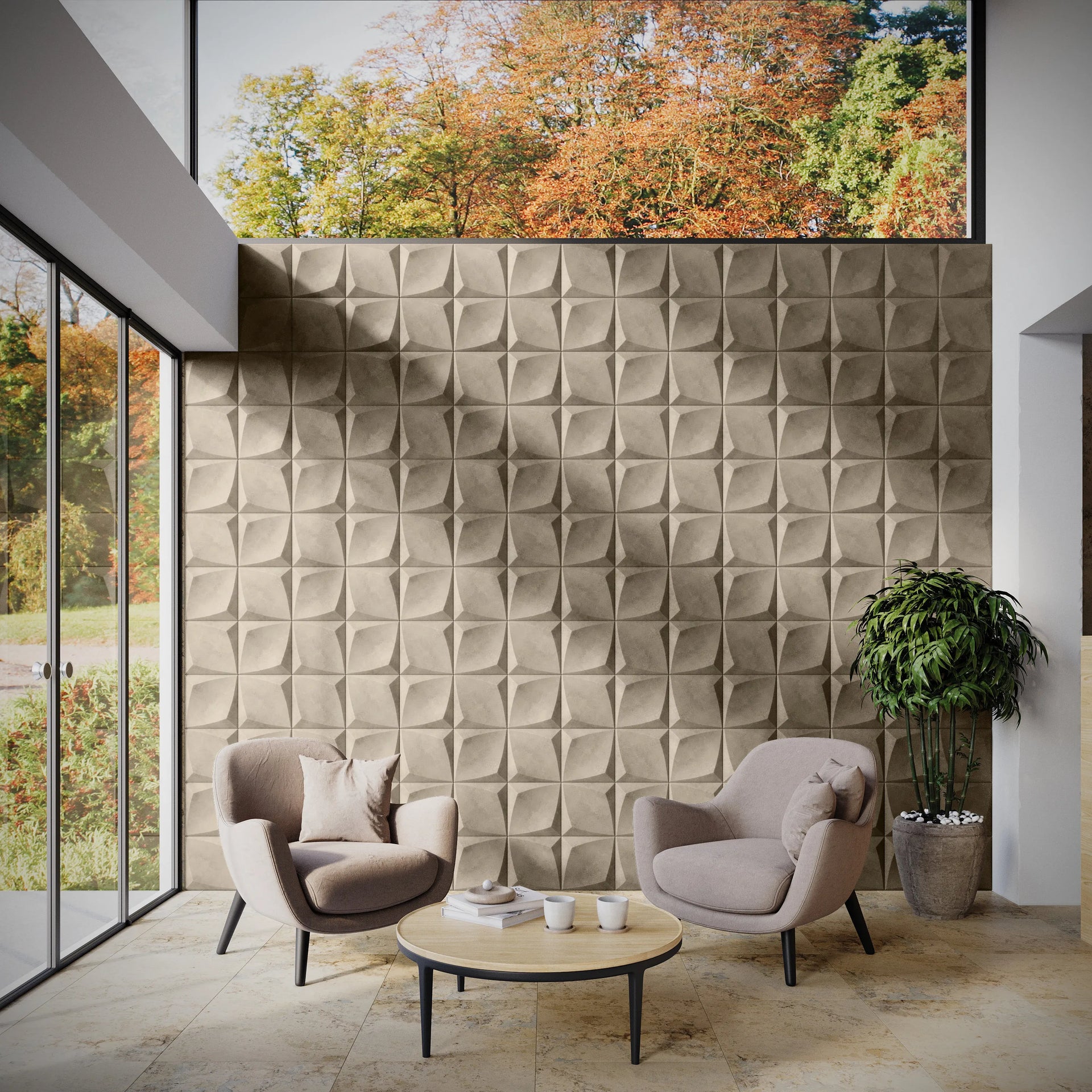
TITAN Concrete Wall TileVendor:ModaConcrete
- Regular price
- $15.00
- Sale price
- $15.00
- Regular price
- Unit price
- / per
-
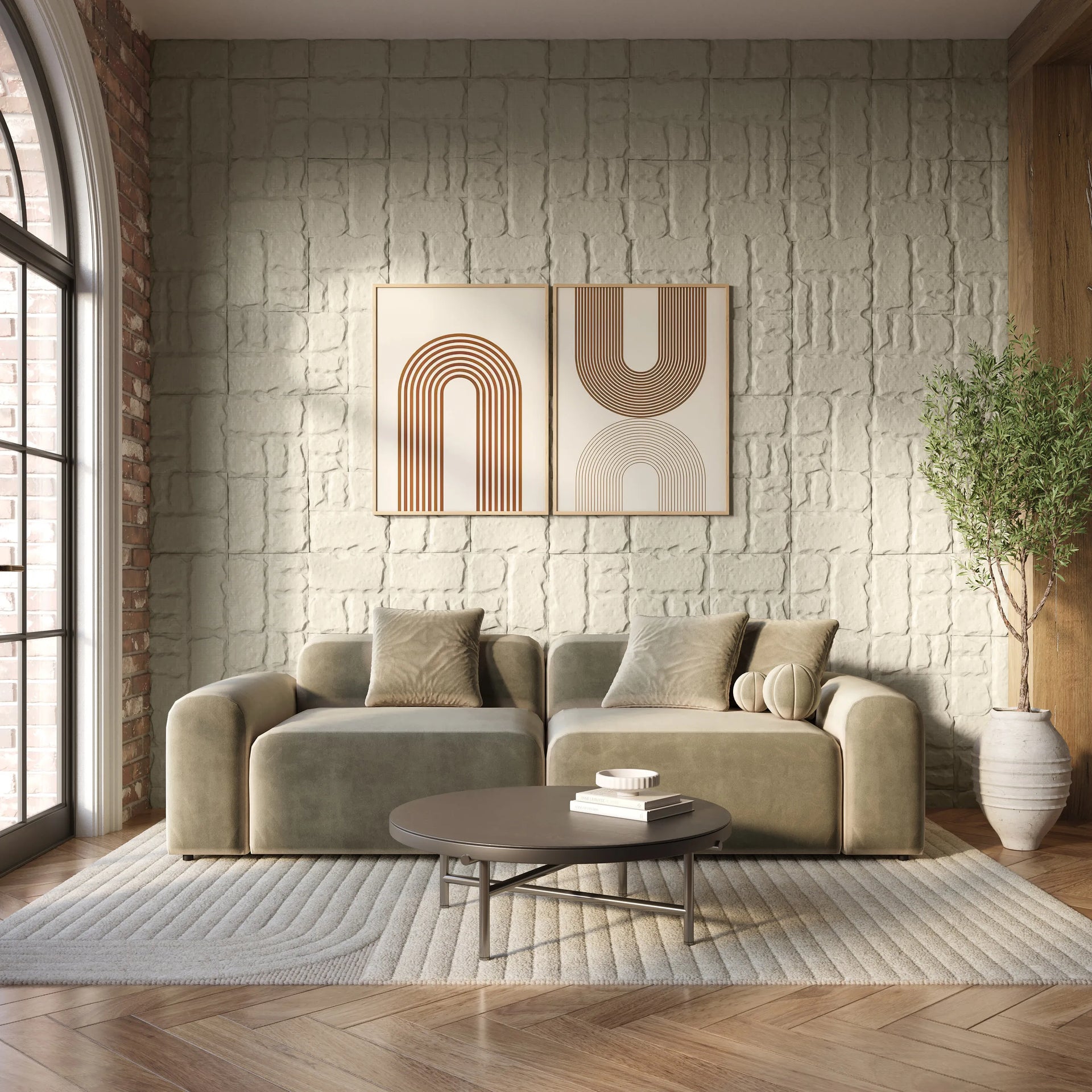
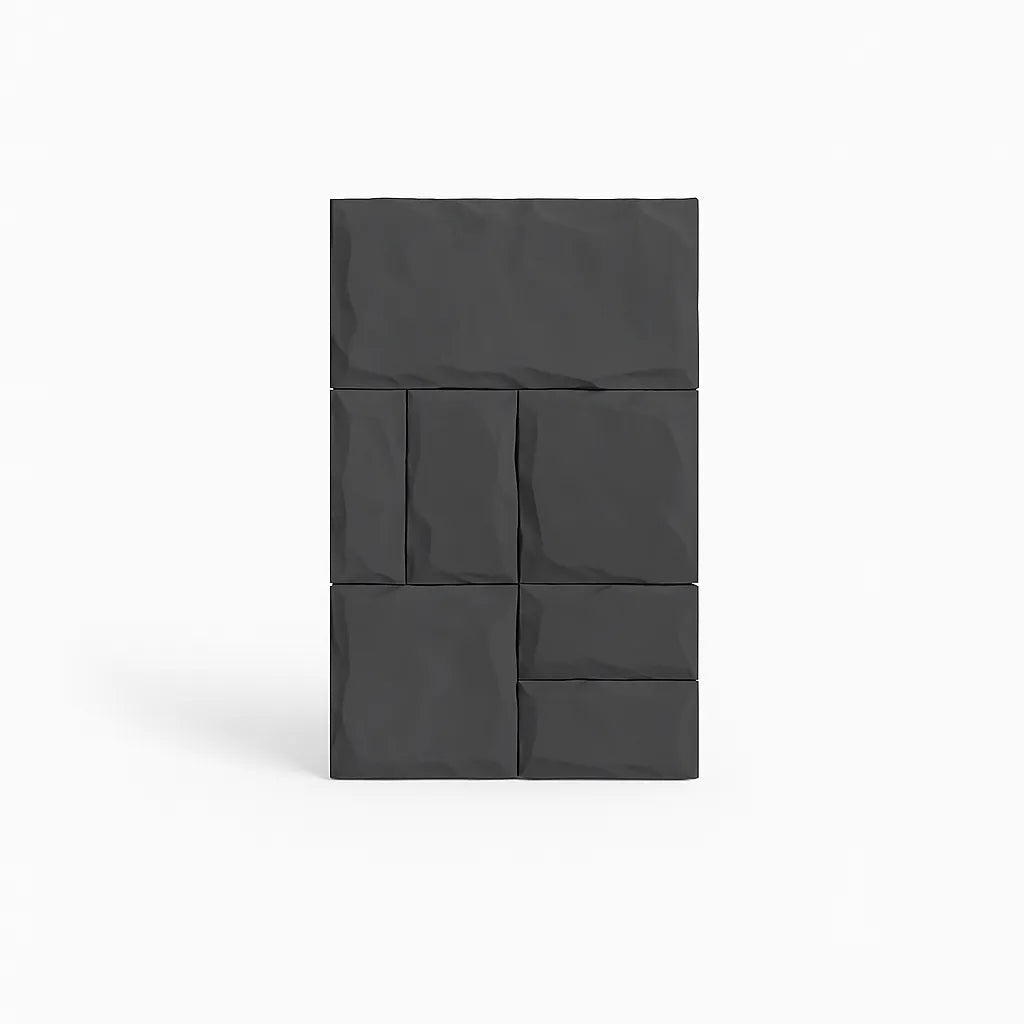
MAYA Concrete Stone Wall TileVendor:ModaConcrete
- Regular price
- $20.00
- Sale price
- $20.00
- Regular price
- Unit price
- / per
-
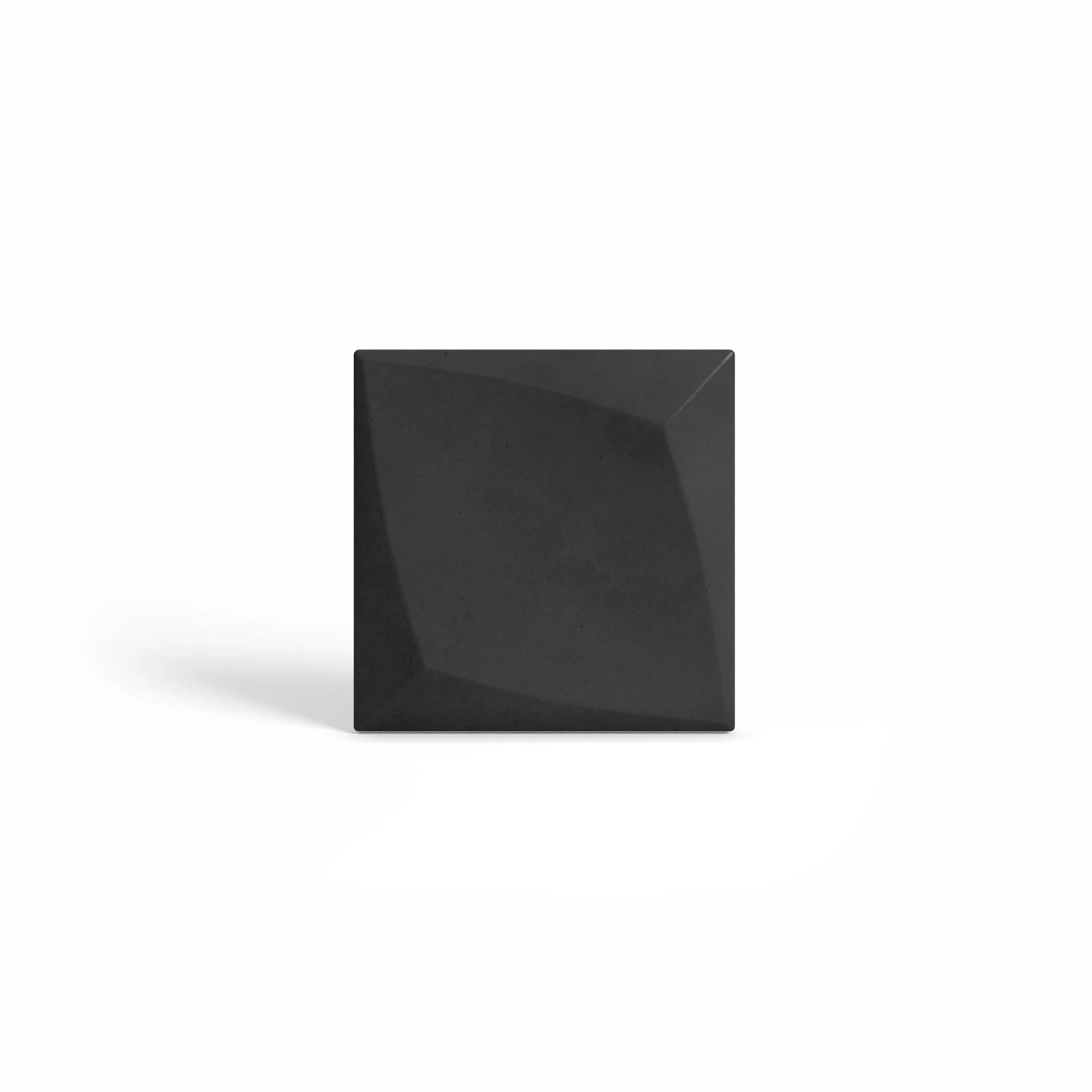
POLARIS Concrete Wall TileVendor:ModaConcrete
- Regular price
- $15.00
- Sale price
- $15.00
- Regular price
- Unit price
- / per
Frequently Asked Questions
What are Breeze Blocks used for?
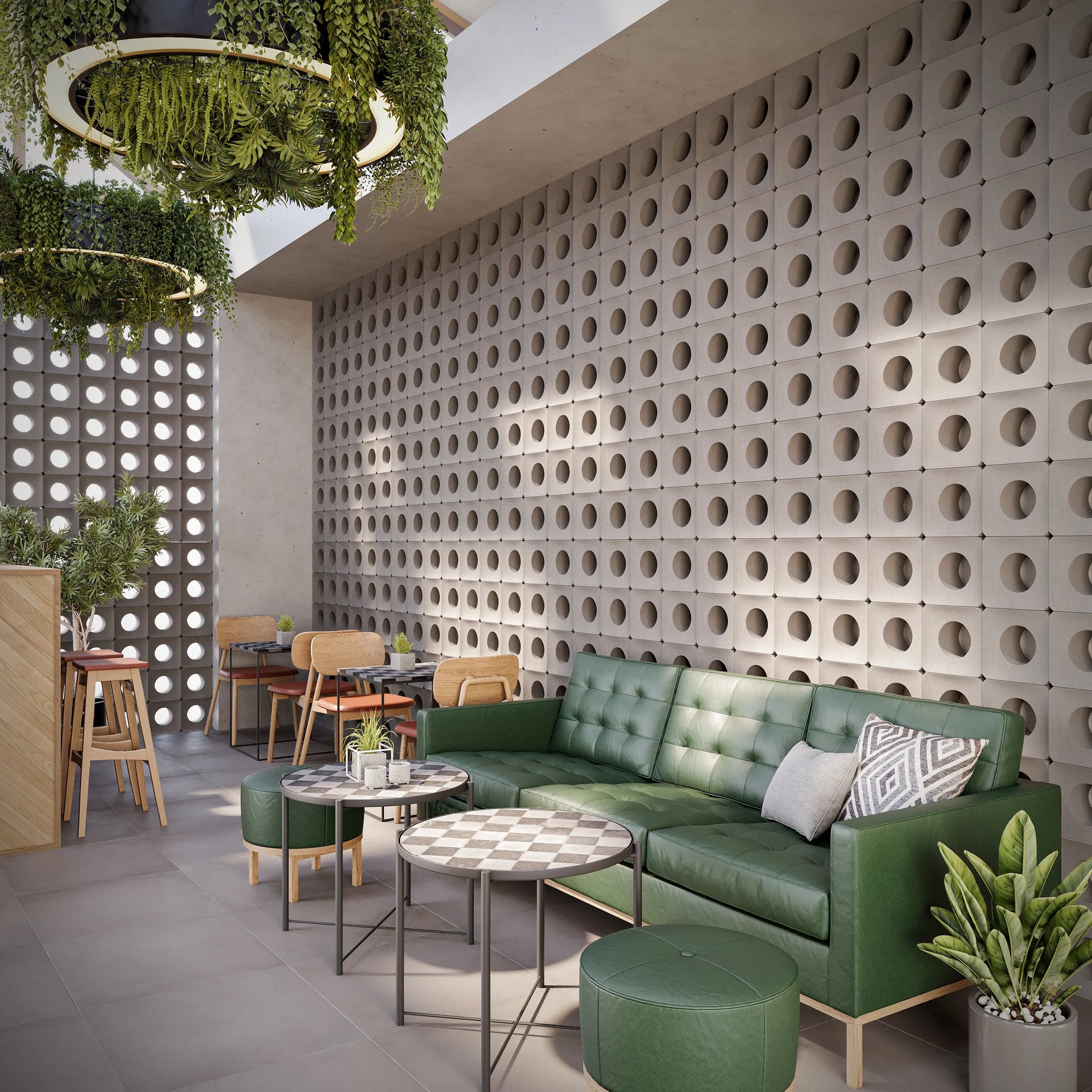
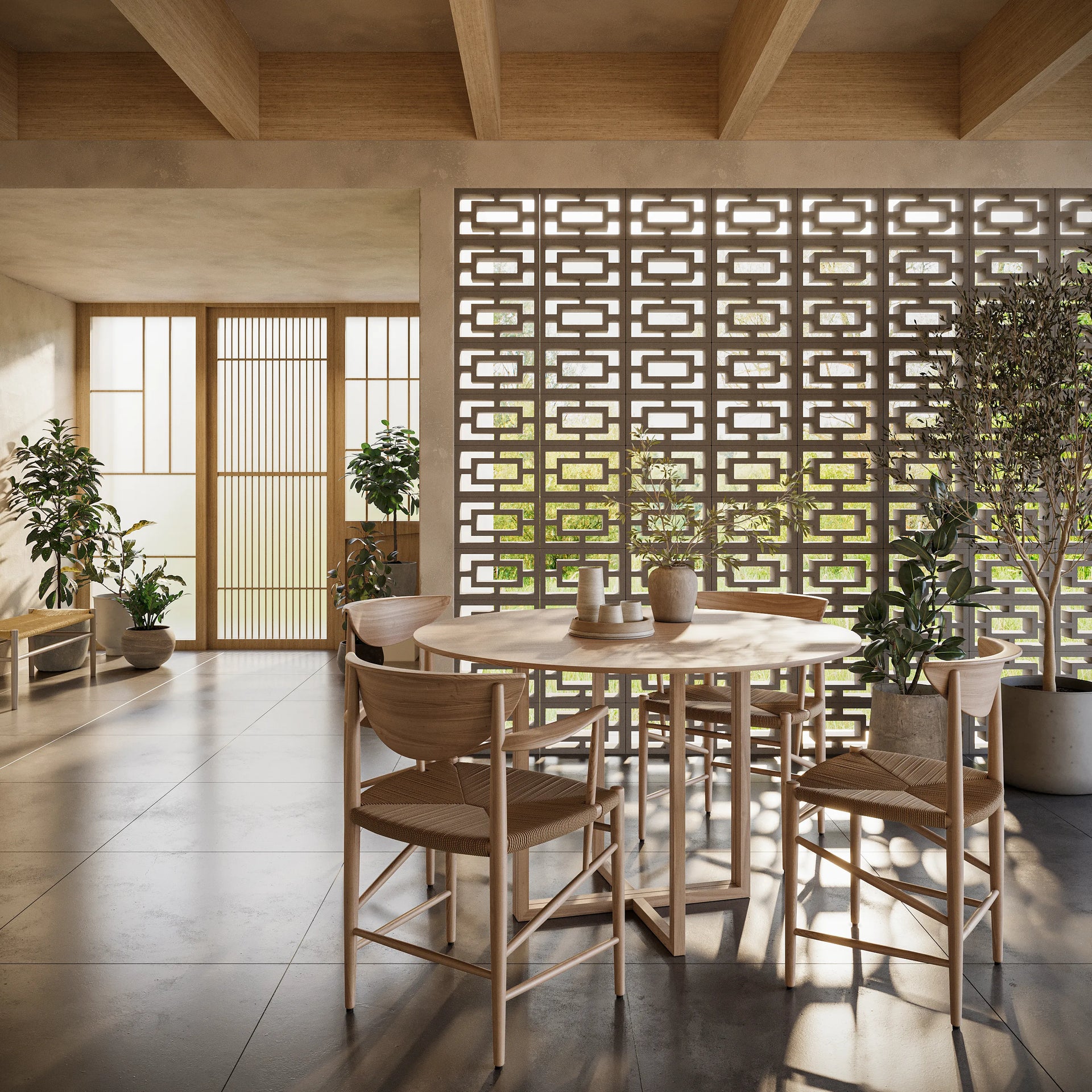
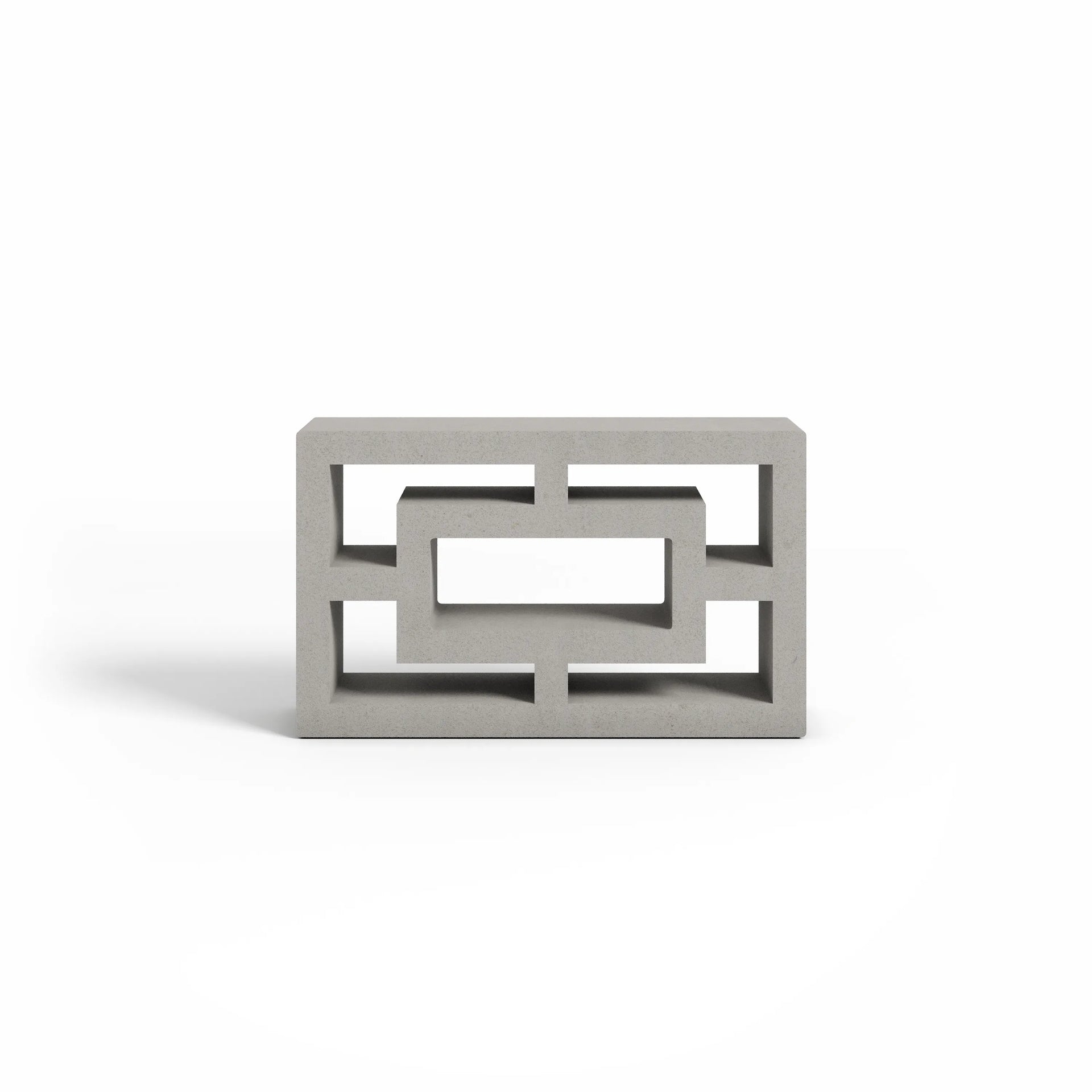
Breeze blocks are decorative concrete blocks with patterned openings designed to provide ventilation, filtered light, and partial privacy in architectural walls. They are commonly used in both residential and commercial design to create visually striking walls that allow airflow while maintaining separation between spaces.
Architects and designers frequently use breeze blocks for:
- Outdoor privacy screens
- Garden walls and courtyard partitions
- Patio and pool enclosures
- Entryway architectural screens
- Building façade elements
- Interior room dividers
- Decorative feature walls
- Restaurant or hotel design elements
Because breeze blocks allow light and air to pass through their openings, they create comfortable outdoor environments while still maintaining architectural definition.
Are Breeze Blocks structural or load-bearing?
Most breeze blocks are non-load-bearing decorative concrete units designed primarily for architectural screening and visual design rather than structural support.
While they are made from durable concrete, breeze blocks typically require structural reinforcement or framing systems when used in larger wall installations. Builders often use steel posts, reinforced concrete columns, or traditional masonry structures behind the blocks to support the wall.
In architectural design, breeze blocks function best as:
- Privacy screens
- Decorative façade panels
- Architectural partitions
- Landscape walls
For load-bearing walls, traditional concrete masonry units (CMUs) or reinforced structural systems are typically used instead.
Why are Breeze Blocks popular in modern architecture?
Breeze blocks have become popular again because they combine mid-century modern aesthetics with contemporary architectural functionality.
Modern architects value breeze blocks because they provide:
- Natural ventilation for outdoor and semi-outdoor spaces
- Dynamic shadow patterns created by geometric openings
- Visual texture that enhances minimalist architecture
- Privacy without completely blocking views
- Durable materials suitable for exterior environments
Their unique balance between form and function makes breeze blocks a powerful design element in contemporary architecture, landscape design, and hospitality environments.
How do you install Breeze Blocks?
Breeze blocks are typically installed using masonry construction techniques similar to traditional concrete blocks.
Installation usually involves:
- Preparing a stable foundation or footing
- Laying blocks with mortar joints between each unit
- Aligning patterns to maintain consistent geometric design
- Reinforcing walls with steel posts or structural supports if necessary
- Finishing joints and sealing the installation
Because breeze block walls often function as architectural features, careful planning is important to ensure pattern alignment, structural stability, and proper spacing.
Professional installation is recommended for large projects to ensure safety and design accuracy.
Are Breeze Blocks durable?
Breeze blocks are made from precast concrete, which is known for its strength, longevity, and resistance to environmental wear.
When properly installed, concrete breeze blocks can last for decades with minimal maintenance. They are resistant to:
- Weather exposure
- Sunlight and UV degradation
- Moisture and humidity
- Temperature fluctuations
This durability makes breeze blocks a popular material for both residential and commercial architectural projects.
Can Breeze Blocks be used for Outdoor and Indoor Projects?
Yes—breeze blocks can absolutely be used for both indoor and outdoor applications, which is why they’ve become a standout material in modern architecture.
Their signature geometric patterns allow light and air to pass through while still creating separation, making them incredibly versatile across different environments. Indoors, breeze blocks are often used for decorative room dividers, living room feature walls, entryway partitions, stairwell screens, and hospitality design elements like restaurant interiors or hotel lobbies. They add texture and create dynamic shadow patterns that elevate a space without fully closing it off.
Outdoors, their concrete construction provides durability and weather resistance, making them ideal for poolside privacy walls, patio partitions, courtyard screens, garden walls, outdoor kitchen dividers, and entryway façade features. They offer privacy while still maintaining airflow and natural light, which is especially valuable in warm climates.
Because they combine aesthetic appeal with structural durability, breeze blocks can seamlessly transition from interior design features to long-lasting exterior architectural elements.
- Choosing a selection results in a full page refresh.